Commercial Fire Inspection in Toronto
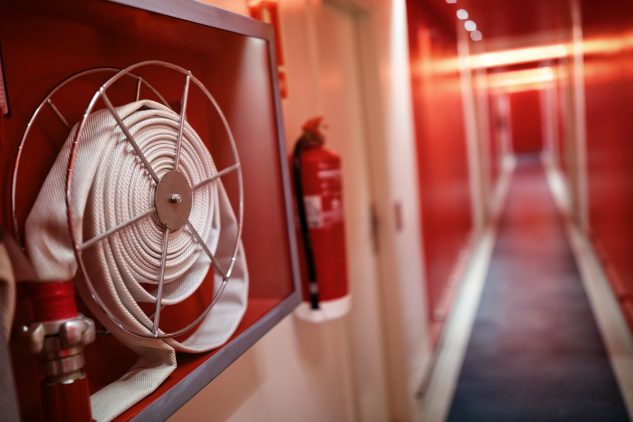
A commercial fire inspection in Toronto is a scheduled review of every life-safety system in your building, checking that your fire alarm, sprinklers, extinguishers and emergency lighting all work and meet the Ontario Fire Code. For most GTA businesses the smartest approach is a single coordinated visit that covers everything and produces one compliance report, instead of juggling separate vendors and dates.
Quick answer: A commercial fire inspection tests and documents your fire alarm, sprinkler and standpipe systems, portable extinguishers, and emergency and exit lighting against the applicable standards (such as CAN/ULC-S536, NFPA 25 and NFPA 10) under the Ontario Fire Code. You receive a signed compliance report listing what passed, what failed and what needs repair, which is the record a fire inspector expects to see on file.
What does a commercial fire inspection cover?
A commercial fire inspection is a hands-on test of the equipment that protects your staff, tenants and property. Rather than a quick walk-through, a proper inspection means a technician functions each device, verifies it responds correctly, and records the result. The goal is simple: prove that if there is a fire, every system does its job.
For Toronto and GTA businesses, the inspection is tied to the Ontario Fire Code (O. Reg. 213/07) under the Fire Protection and Prevention Act, which requires owners to maintain fire safety equipment and keep testing records. A coordinated annual fire inspection rolls the major systems into one appointment so nothing falls through the cracks.
Which systems are inspected?
The exact scope depends on what your building has installed, but a full commercial inspection typically touches each of these systems:
- Fire alarm system: panel, pull stations, detectors, horns and strobes, tested to CAN/ULC-S536, plus confirmation that signals reach your monitoring station.
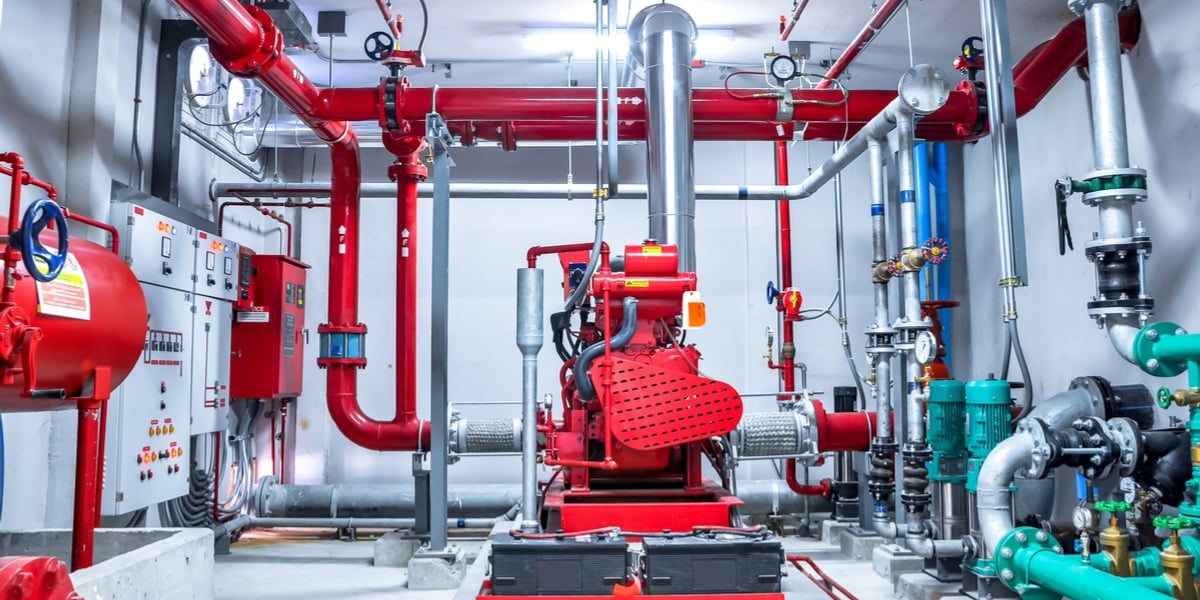
- Sprinklers and standpipes: water-based systems inspected and tested to NFPA 25, covering valves, gauges, flow and any standpipe and hose system.
- Portable extinguishers: checked and serviced to NFPA 10, including the annual maintenance and any due extinguisher service or recharge.
- Emergency and exit lighting: function-tested and confirmed against duration requirements, as covered in our emergency and exit lighting guide.
- Kitchen suppression: for restaurants and food operations, the commercial kitchen suppression system and its interlocks.
How often is each system required?
Most people search for a single answer, but each system has its own rhythm. Some checks are monthly and can be done in-house, while the detailed testing is generally annual and needs a qualified technician. Here is a typical schedule for a Toronto commercial building.
| System | Typical interval | Standard |
|---|---|---|
| Fire alarm system | Annual test (plus routine checks) | CAN/ULC-S536 |
| Sprinklers & standpipes | Quarterly & annual items | NFPA 25 |
| Portable extinguishers | Monthly quick check, annual maintenance | NFPA 10 |
| Emergency lighting | Monthly function, annual full-duration | Ontario Fire Code |
| Backflow preventer | Generally annual | CSA B64.10 |
Extinguishers also need an internal examination at roughly six years and a hydrostatic test at about twelve years, depending on type. For a full breakdown across every device, see our guide on how often to inspect fire equipment in Ontario.
What is in your compliance report?
The report is the part that matters when a fire inspector, insurer or property manager asks for proof. A good commercial fire inspection report lists each system, the date tested, the result, and any deficiency found, along with the standard it was tested against. It should be clear enough that a non-technical reader can see at a glance what passed and what needs attention.
Deficiencies are ranked so you know what is urgent, such as a non-responsive detector or a discharged extinguisher, versus what can be scheduled. Keeping this record current is the simplest way to stay inspection-ready and to pass a fire code review without orders or fines from a City of Toronto fire inspector.
A dated report also gives your insurer and property manager the paper trail they ask for at renewal, and it lets you plan repairs and budget across the year instead of scrambling the week before the fire department calls. We keep a copy on file so your next inspection starts from a known baseline rather than a blank page.
Building inspection due?
Book one coordinated visit and let our team test every system and hand you a single compliance report.
How do you prepare for a fire-department inspection?
A City of Toronto fire inspector can visit any commercial property, and the difference between a smooth visit and a stack of orders usually comes down to paperwork and access. Before they arrive, make sure your testing records are current and on site, your fire safety plan is up to date, and nothing blocks access to extinguishers, exits or the alarm panel.
- Keep signed inspection reports for the alarm, sprinkler, extinguishers and lighting together in one binder or file.
- Confirm your fire safety plan reflects the current layout and occupancy.
- Check that exit signs are lit, extinguishers are charged and mounted, and exits are clear.
- Have any open deficiencies quoted or in progress so you can show the inspector a plan.
Owners of condos, restaurants and warehouses across the GTA all follow the same principle: current records plus working equipment equals a fast, uneventful inspection.
Booking a commercial inspection
Whether your business is in Toronto, Scarborough, North York, Etobicoke, Mississauga, Vaughan, Markham or Richmond Hill, Tovic Fire can inspect every life-safety system in one coordinated visit. Because we handle alarm, sprinkler, extinguisher and lighting work in-house and align to ULC, NFPA, CSA and TSSA standards, you get one contractor, one schedule and one report. If you would rather split the work by trade, you can also browse our full fire protection services. When you are ready, request a site assessment and we will confirm what your building is due for.
Frequently asked questions
What does a commercial fire inspection include?
A commercial fire inspection reviews your fire alarm system, sprinklers and standpipes, portable extinguishers, emergency and exit lighting, and any kitchen suppression, each tested to the applicable standard such as CAN/ULC-S536, NFPA 25 and NFPA 10. Devices are function-tested, deficiencies are logged, and you receive a written compliance report you can keep on file for the fire department.
How often is it required?
Under the Ontario Fire Code, most life-safety systems require inspection and testing at set intervals, with fire alarms, sprinklers and extinguishers typically requiring at least annual testing plus more frequent monthly or quarterly checks. Many building owners schedule a single annual visit for the annual items and handle the monthly checks in-house or on a service plan.
Will this satisfy the fire department?
A properly documented inspection to the applicable ULC, NFPA and CSA standards, with a signed report, is generally what a fire inspector expects to see on site. It does not replace the fire department's own inspection, but keeping current, complete records is the fastest way to demonstrate compliance when they visit.
Do you fix what you find?
Yes. Minor items such as recharging an extinguisher or replacing an emergency light head can often be handled on the spot, and larger repairs are quoted so you can approve the work before it starts. Because Tovic Fire handles alarm, sprinkler, extinguisher and lighting work, you deal with one contractor for both the inspection and the fixes.