Fire Extinguisher Hydrostatic (Cylinder) Testing in Toronto
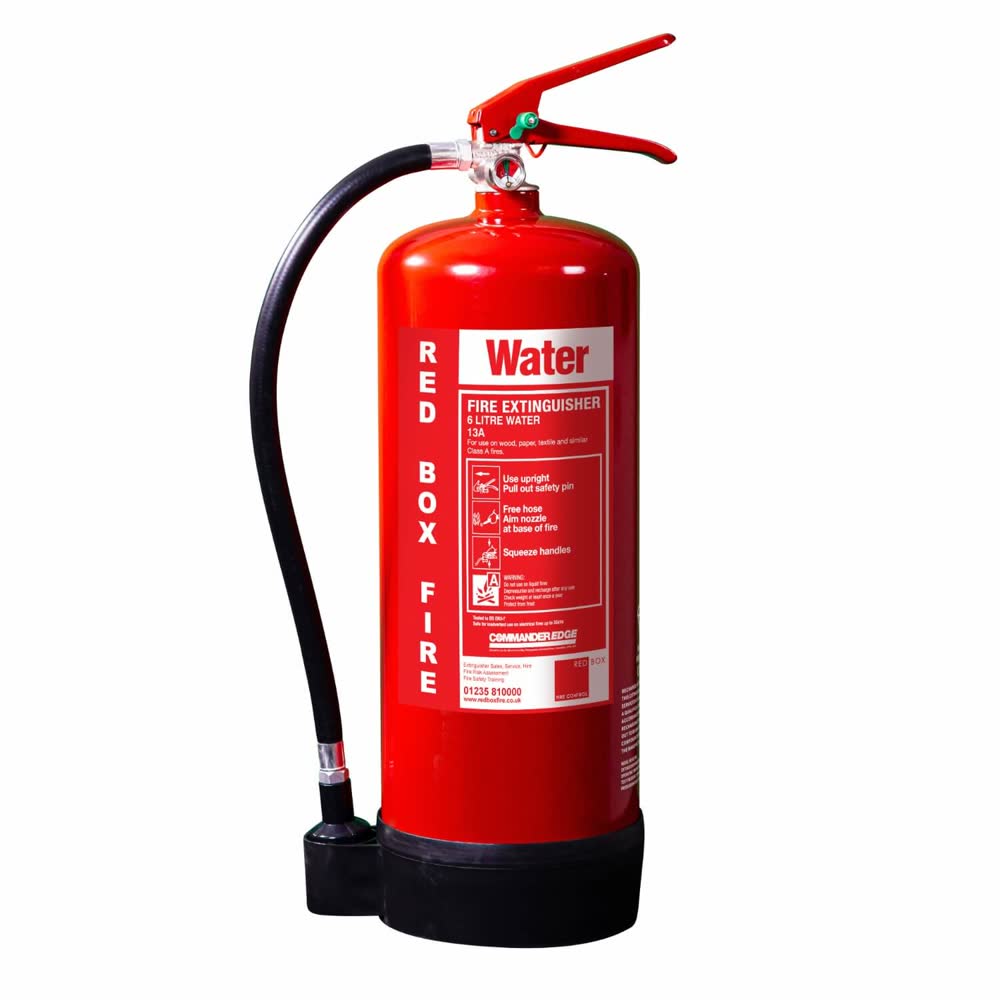
Fire cylinder testing in Toronto is the pressure test that proves an extinguisher's shell can still safely hold its charge. Under NFPA 10, the standard behind the Ontario Fire Code, every extinguisher cylinder must be hydrostatically tested on a fixed schedule, generally every 5 or 12 years depending on the type. Skip it, and the unit fails inspection and may be pulled from service across the GTA.
Quick answer: Fire extinguisher hydrostatic testing (cylinder testing) is a water-pressure test of the cylinder to confirm it can safely hold pressure. Under NFPA 10, water, wet chemical and CO2 extinguishers are typically tested every 5 years, and dry chemical and dry powder units every 12 years. A cylinder that passes is recharged and re-stamped with the test date; one that fails corrosion or damage checks is condemned and replaced.
What is fire extinguisher hydrostatic testing?
Hydrostatic testing, sometimes called cylinder testing, is a controlled pressure test of the extinguisher shell. The cylinder is filled with water and pressurized to a level well above its normal operating charge, then inspected for leaks, bulging or permanent expansion. Because water is nearly incompressible, the test verifies the metal's strength without the explosive energy a compressed-gas failure would release.
It is a distinct step from the visual checks in a routine extinguisher inspection and service. A monthly quick check and an annual maintenance confirm the unit is present, charged and undamaged, but only a hydrostatic test proves the cylinder itself is still fit to hold pressure.
Why do cylinders have to be pressure-tested?
A fire extinguisher is a pressure vessel. Over years of temperature swings, humidity, and handling, the shell can corrode from the inside, develop pitting, or weaken at seams and welds. A cylinder that lets go under pressure is a serious hazard to anyone nearby, which is exactly why NFPA 10 and, by extension, the Ontario Fire Code (O. Reg. 213/07) mandate periodic testing.
Testing on schedule also keeps you inspection-ready. When a fire inspector or your insurer reviews the tags, an out-of-date hydrostatic stamp is an immediate deficiency, the same way a lapsed alarm test shows up during a fire alarm inspection. Staying current avoids re-inspection fees and last-minute scrambles.
What are the hydrostatic test intervals by extinguisher type?
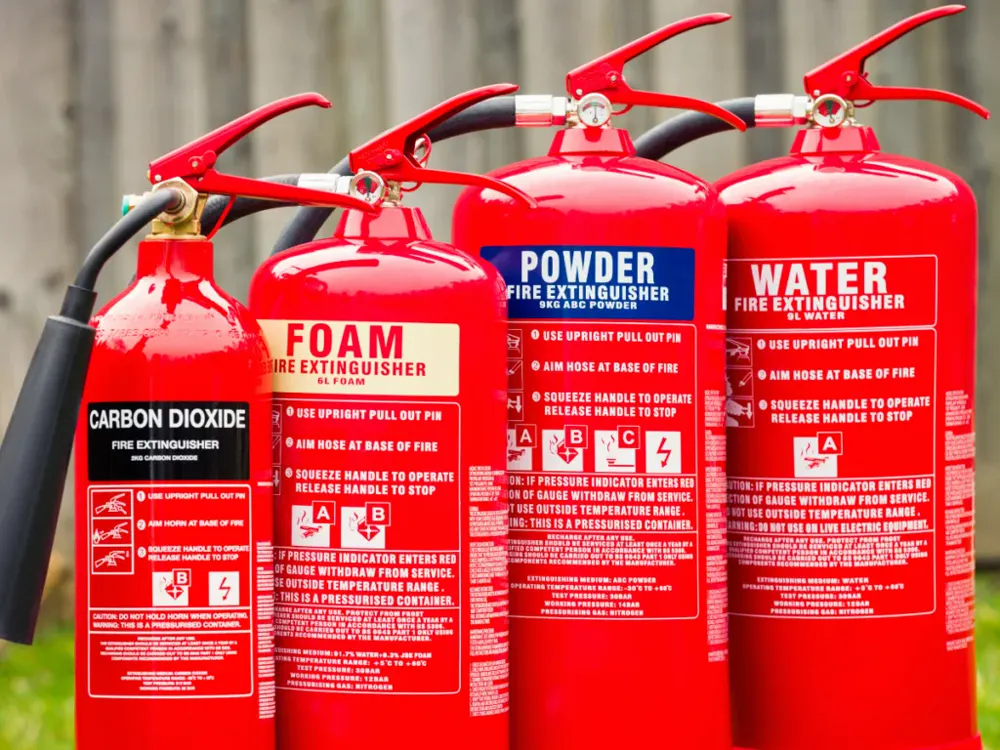
NFPA 10 sets the interval by extinguisher type and cylinder construction. The two common intervals are 5 years and 12 years. The table below summarizes the typical schedule. Your extinguisher's collar or nameplate confirms which category it falls into.
| Extinguisher type | Hydrostatic test interval | Also needs 6-year internal |
|---|---|---|
| Stored-pressure water / water mist | Every 5 years | No |
| Wet chemical (Class K, kitchen) | Every 5 years | Yes |
| Carbon dioxide (CO2) | Every 5 years | No |
| Dry chemical (ABC / BC), stored-pressure | Every 12 years | Yes |
| Dry powder (Class D) | Every 12 years | Yes |
Intervals are counted from the manufacture or last-test date stamped on the cylinder, not from when you bought the building. If you are unsure what you have on the wall, our team can identify each unit during a walkthrough. For the bigger picture across all your equipment, see our guide on how often fire equipment must be inspected in Ontario.
What is the 6-year internal maintenance?
Separate from hydrostatic testing, NFPA 10 requires a 6-year internal maintenance on most stored-pressure extinguishers. The unit is fully discharged, opened, and the interior examined for corrosion or caking before it is recharged. It is easy to confuse the 6-year internal with the 12-year hydrostatic test, but they are different requirements that come due at different times.
Because both involve emptying and recharging the extinguisher, technicians often coordinate them when the timing lines up. Keeping a simple log of manufacture dates, 6-year internals and hydrostatic tests, alongside your annual fire inspection report, makes it easy to see what is due next.
What happens to recharge after testing?
Any extinguisher that is hydrostatically tested has to be fully discharged first, which means it also has to be recharged before it returns to service. A cylinder that passes the pressure test is dried, reassembled with a fresh valve and seals as needed, refilled with the correct agent, re-pressurized and re-stamped with the new test date. You can read more about that final step in our extinguisher recharge and refill guide.
A cylinder that fails, or that shows corrosion, dents, fire damage or an illegible stamp before testing even begins, is condemned rather than returned. For smaller units, replacement is often more economical than testing plus recharge, and we will always flag the more cost-effective route. If you are still deciding what belongs in each space, our fire extinguisher types explained guide helps you match the right agent to the hazard.
Cylinders due for the pressure test?
We will identify every extinguisher, check what is due, and handle testing and recharge in one visit.
How do I book cylinder testing in the GTA?
Tovic Fire handles fire extinguisher hydrostatic testing and recharge for businesses, condos and property managers across Toronto, Scarborough, North York, Etobicoke, Mississauga, Vaughan, Markham and Richmond Hill. We inventory your extinguishers, note the manufacture and last-test dates, and tell you exactly which units are due for a 5-year test, a 6-year internal or a 12-year hydrostatic test, with no guesswork.
Our work aligns to NFPA 10 and the Ontario Fire Code, and we can fold extinguisher testing into a broader compliance visit alongside your sprinklers, alarms and emergency lighting. Because a hydrostatic test means each unit is discharged and recharged, we plan the visit so protected areas are never left without adequate coverage, swapping in serviced units or loaners where needed. You also receive a clear record of every test date and the next due interval, so the schedule is easy to track and hand to an inspector. To get started, request a site assessment or explore the full range on our services page.
Frequently asked questions
How often is hydrostatic testing required?
Under NFPA 10, the interval depends on the extinguisher. Stored-pressure water, wet chemical and CO2 cylinders are generally hydrostatically tested every 5 years, while dry chemical and dry powder cylinders are typically tested every 12 years. The 12-year clock usually runs from the date stamped on the cylinder.
What is the difference between the 6-year and 12-year service?
The 6-year service is an internal maintenance where the extinguisher is emptied, the interior is examined, and the unit is recharged. The 12-year service is the hydrostatic pressure test of the cylinder itself. They are separate NFPA 10 requirements that fall due at different times, though both involve fully discharging and recharging the unit.
Can every extinguisher be tested?
No. Cylinders showing corrosion, dents, pitting, fire damage, repairs, or an illegible or missing stamp are condemned rather than tested. In many cases, for smaller disposable-style units the cost of testing and recharging exceeds replacement, so we advise on the more economical option.
What does the test involve?
The extinguisher is discharged and disassembled, the cylinder is filled with water and pressurized to a test pressure well above its normal charge, and it is checked for leaks, bulging or permanent expansion. A cylinder that passes is dried, reassembled, recharged and re-stamped with the test date before it returns to service.