Fire Extinguisher Recharge & Refill in Toronto
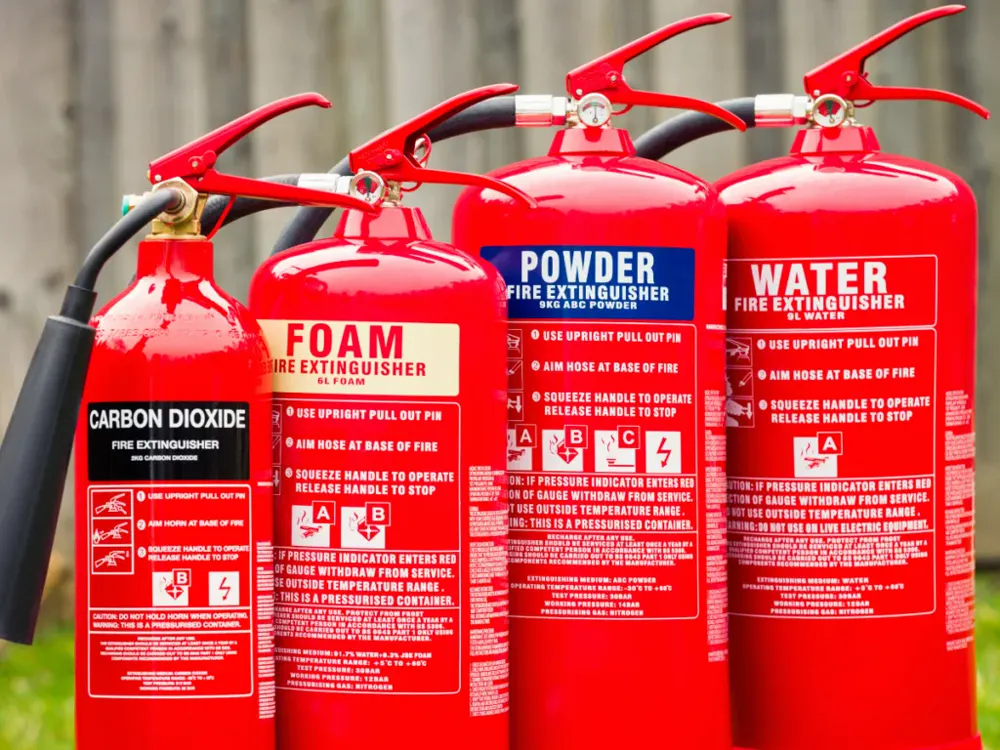
Fire extinguisher recharge in Toronto is the process of refilling and re-pressurizing a unit so it is ready to fight a fire again. Any extinguisher that has been discharged, even partially, or that reads outside its green pressure zone, must be recharged before it counts as protection under the Ontario Fire Code. Tovic Fire recharges and refills every rechargeable class across Toronto and the GTA to NFPA 10.
Quick answer: A fire extinguisher needs recharging after any use, whenever its gauge falls out of the green, and on the internal-examination cycle set by NFPA 10 (generally around 6 years for most stored-pressure units). Recharging means emptying, inspecting, refilling with the correct agent, and re-pressurizing the cylinder to its rated charge. Disposable units cannot be recharged and are replaced instead.
When must an extinguisher be recharged?
An extinguisher is only useful if it is fully charged and mechanically sound. Under NFPA 10, the standard for portable fire extinguishers, a unit needs recharging in several situations, not just after a fire.
- It has been discharged, fully or partially, including a short test burst.
- The pressure gauge needle sits outside the green operating band.
- It fails a monthly quick check or an annual maintenance inspection.
- The internal examination interval has arrived (generally about every 6 years for many stored-pressure extinguishers).
- It has just completed hydrostatic testing, which always ends with a recharge.
Why recharge after any discharge, even partial?
Once the seal is broken and any agent leaves the cylinder, an extinguisher can lose the pressure it needs to expel the rest. A unit that looks "mostly full" may not push agent far enough, or at all, in a real emergency. That is why NFPA 10 treats any discharge, however brief, as a trigger for full recharge rather than a top-up.
This matters most in commercial kitchens, workshops and mechanical rooms where a quick knockdown of a small fire still leaves you legally and practically unprotected until the extinguisher is recharged. If your building has just had an incident, book recharge promptly and keep the used unit tagged out of service until it is done.
How does recharge differ by agent type (ABC, CO2, K)?
Different extinguishing agents are recharged differently, and each has its own equipment and handling. The common rechargeable classes we service across the GTA are dry chemical, carbon dioxide and wet chemical. If you are unsure which you have, our guide to fire extinguisher types breaks down the labels.
| Agent type | Typical use | Recharge notes |
|---|---|---|
| ABC dry chemical | General offices, retail, warehouses | Emptied, cleaned, refilled with dry chemical and re-pressurized with nitrogen to rated charge. |
| CO2 (carbon dioxide) | Electrical rooms, labs, server areas | Weighed and refilled with liquid CO2 to the stamped fill weight; no separate propellant. |
| Class K wet chemical | Commercial kitchens, deep fryers | Refilled with wet chemical agent; often paired with a kitchen suppression service. |
| Water / foam | Class A combustibles | Refilled and re-pressurized; less common in commercial settings. |
What is the recharge process?
Recharge is a bench procedure, not a field top-up. A technician follows the manufacturer's data and NFPA 10 so the finished unit performs exactly as designed. In practice, the steps look like this:
- Discharge and depressurize the cylinder safely, then inspect the shell, valve, hose and gauge.
- Verify the cylinder is within its hydrostatic test date; condemn it if corroded, damaged or overdue.
- Refill with the correct agent by weight, replace worn O-rings and valve parts, and re-pressurize to the rated charge.
- Leak-test, reseat the safety pin, apply a new tamper seal and service tag, and record the work.
That service record is part of staying inspection-ready. It feeds directly into your annual fire inspection and your broader Ontario Fire Code compliance documentation.
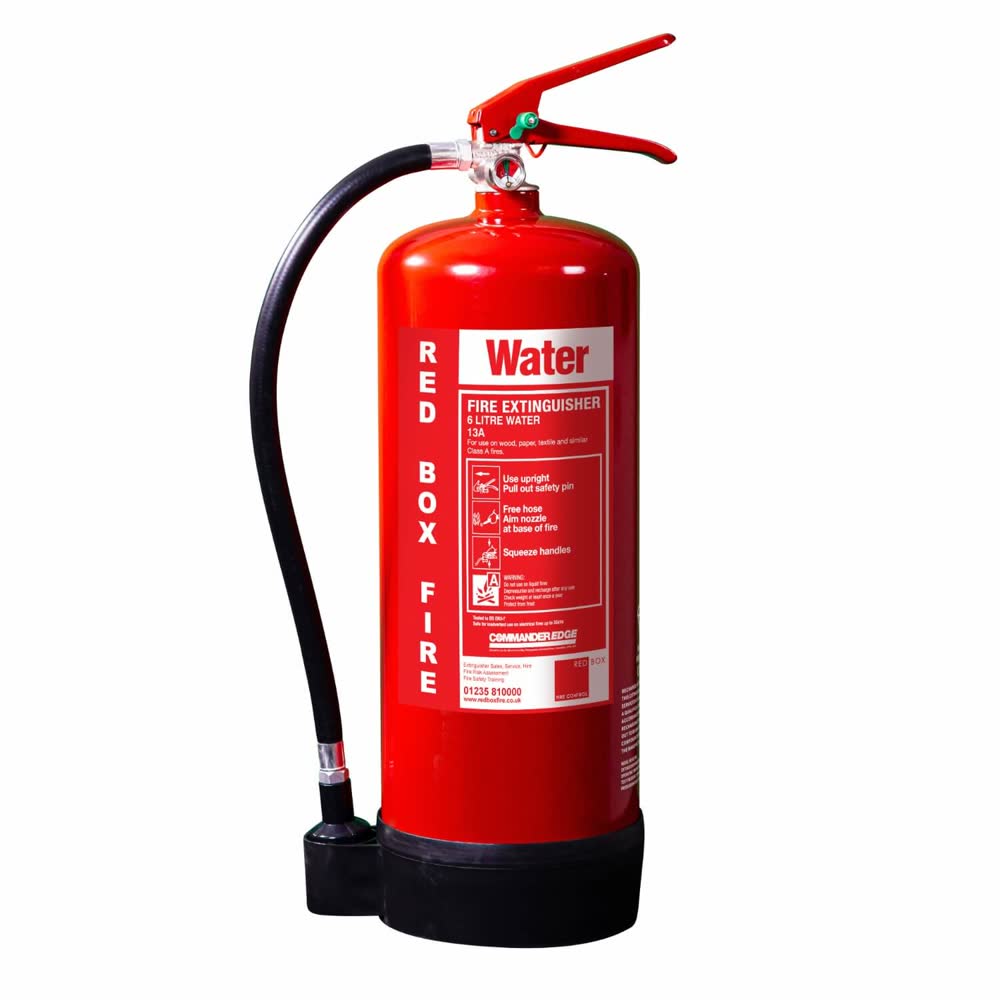
Used or low on pressure?
If a unit has been discharged or its gauge has dropped, we will recharge it correctly and get it back on the wall.
Recharge or replace: when is a cylinder condemned?
Not every extinguisher can be brought back into service. During recharge a technician inspects the cylinder shell, valve, hose and gauge, and checks the hydrostatic test date stamped on the unit. Under NFPA 10, a cylinder that is corroded, dented, has a damaged valve or is past its hydrostatic test interval is condemned rather than refilled, and disposable single-use extinguishers are never recharged. When a unit is condemned we explain why, take it out of service safely, and recommend a like-for-like replacement so the location keeps the coverage the Ontario Fire Code requires.
Keeping older units in rotation past their service life is a common way buildings quietly fall out of compliance. If a large share of your extinguishers are aging or of unknown history, it is often worth planning a staged approach that combines recharge, hydrostatic testing and replacement so no location is ever left short. We flag which units are best recharged now, which are due for testing, and which have reached the end of their usable life during the same visit.
Can we swap units so you are never unprotected?
A required extinguisher cannot simply disappear from its bracket while it is being serviced. For occupied buildings in Toronto, Scarborough, North York, Etobicoke, Mississauga, Vaughan, Markham and Richmond Hill, we can place a comparable loaner or swap unit in the same location so your coverage stays continuous.
This keeps you compliant during recharge or hydrostatic testing, and it means staff always have a working extinguisher within reach. If you are also weighing how many units you need per area, our note on how many fire extinguishers you need is a useful companion.
How do you book recharge?
Booking is simple. Tell us roughly how many units you have, their sizes and where they are, and whether any have been discharged. We will assess them on site, recharge what can be recharged, flag anything due for hydrostatic testing or replacement, and leave you with tagged, documented units. Reach the team through our contact page or by phone, and we will schedule a visit across Toronto and the GTA.
Frequently asked questions
When does a fire extinguisher need recharging?
Recharge after any discharge, even a brief test squeeze, and any time the pressure gauge reads outside the green or the unit fails an inspection. Under NFPA 10, stored-pressure extinguishers also get an internal examination and recharge on a set cycle, generally around every 6 years, plus recharge after every hydrostatic test.
Can you recharge any extinguisher?
Most rechargeable extinguishers, ABC dry chemical, CO2 and Class K wet chemical, can be recharged if the cylinder passes inspection and is within its hydrostatic test date. Disposable, single-use extinguishers cannot be recharged and must be replaced. Cylinders that are corroded, damaged or past their test schedule are condemned rather than refilled.
How long does recharge take?
A straightforward recharge is usually quick once the unit is on the bench, often the same visit for common ABC and CO2 sizes. Turnaround depends on agent type, cylinder condition and whether hydrostatic testing is also due. We confirm timing when we assess your units.
Do I get a loaner while mine is serviced?
Where a unit has to leave site for recharge or testing, we can place a comparable loaner or swap unit so your coverage stays continuous and code-compliant. This keeps required extinguishers in place while yours is on the bench, which matters for occupied buildings across Toronto and the GTA.