Commercial Kitchen Fire Suppression (Class K) in Toronto
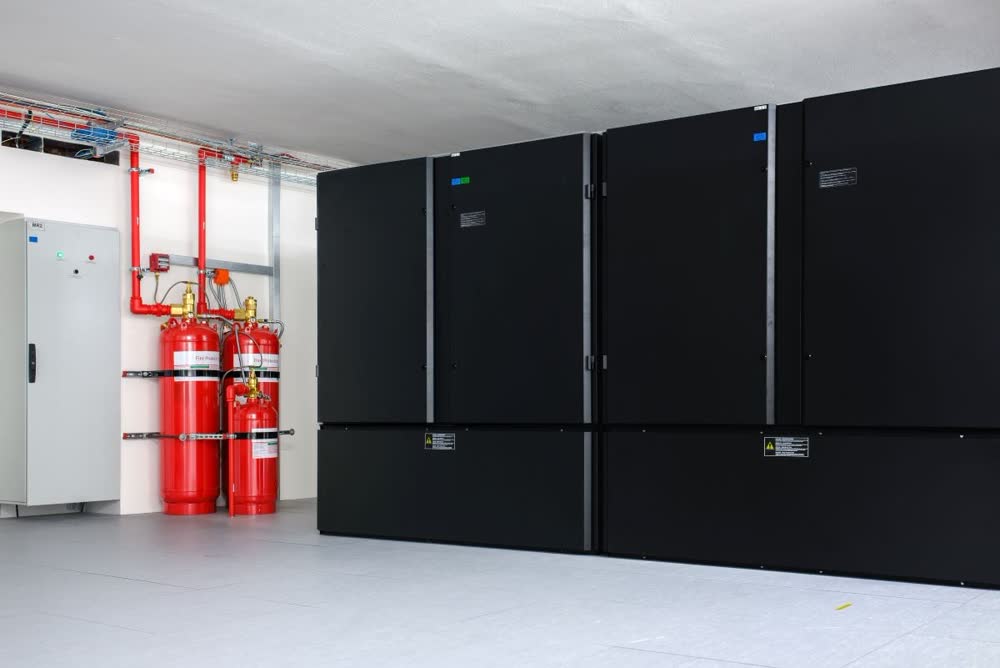
Commercial kitchen fire suppression in Toronto means two things working together: a fixed hood system over your cooking line and a Class K extinguisher on the wall as backup. Grease fires are the leading cause of restaurant blazes across the GTA, and both systems are required, installed to code, and inspected on a fixed schedule to protect your staff, your building, and your licence to operate.
Quick answer: A commercial kitchen fire suppression system is a hood-mounted, automatic wet-chemical system that discharges over fryers, ranges and griddles when heat melts a fusible link, cutting the fuel or power at the same time. It is paired with a portable Class K extinguisher for manual backup. Under the Ontario Fire Code, the hood system is generally inspected every six months and the extinguisher is checked monthly and serviced annually.
Why do commercial kitchens need special suppression?
Cooking oils and animal fats burn far hotter than paper or wood, and they can re-ignite after the flame appears to be out. A standard ABC dry-chemical extinguisher can actually splash burning grease and spread the fire. That is why commercial kitchens use a dedicated wet-chemical approach designed specifically for high-temperature cooking-oil fires, known as Class K.
In a busy Toronto or Mississauga kitchen, a fire on the cook line needs to be knocked down in seconds, not minutes. A fixed hood suppression system does that automatically, even if no one is standing at the range. It also shuts off the gas or electricity to the appliances so the heat source is removed at the same instant the agent discharges.
How do hood suppression systems work?
A hood suppression system sits inside the exhaust hood above your cooking equipment. Nozzles are aimed at each appliance and at the duct and plenum. When a fire raises the temperature, a fusible link melts, releasing tension on a cable that trips the agent cylinder. The wet chemical sprays across the hazard, cools the oil, and forms a soapy blanket that seals out oxygen.
At the same moment, the system triggers an automatic fuel or power shut-off so burners stop feeding the fire. A manual pull station near the exit lets staff discharge the system by hand if they spot a fire first. These systems are typically installed and serviced in line with NFPA 17A and the Ontario Fire Code, and larger sites often tie the discharge into the building fire alarm system so the panel and monitoring station are notified.
- Detection: fusible links rated to melt at a set temperature over each appliance.
- Agent: a pre-charged wet-chemical cylinder piped to fixed nozzles.
- Shut-off: a gas valve or electrical interlock that kills the heat source on discharge.
- Manual pull: a clearly marked station on the path of egress for hand activation.
What is a Class K extinguisher?
A Class K extinguisher is a portable, wet-chemical unit rated for cooking media such as vegetable oil, lard and grease. It works the same way the hood system does, cooling the oil below its ignition point and creating a foam layer through saponification. It is required as a backup to the fixed system so staff can finish off a small fire or tackle one that starts away from the hood.
Class K units are mounted within reach of the cooking line, with signage directing staff to activate the hood system first. If you are unsure which portable units your space needs, our guide to fire extinguisher types breaks down the classes, and how many extinguishers you need covers placement and travel distance for your floor plan.
What are the semi-annual inspection requirements?
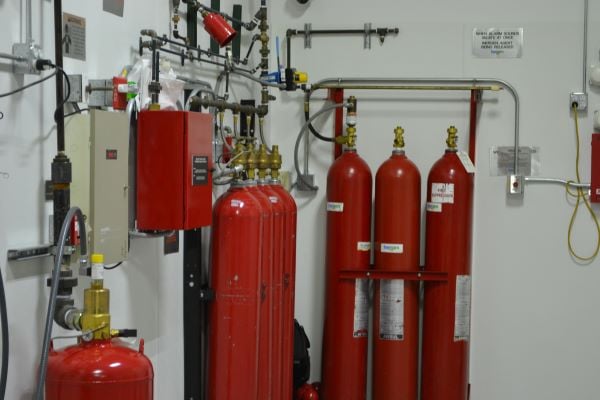
Kitchen suppression is one of the most heavily regulated systems in your building because the risk is so high. Under the Ontario Fire Code, the fixed hood system generally requires a maintenance inspection every six months by a qualified technician, and the fusible links are typically replaced on a set interval. Class K extinguishers follow NFPA 10: a monthly quick check by staff, an annual professional maintenance, and periodic hydrostatic testing.
Missing these dates is one of the most common findings fire inspectors write up. The table below summarizes the intervals restaurants across Scarborough, North York and Etobicoke should keep on their calendar.
| Task | Interval | Who does it | Standard |
|---|---|---|---|
| Hood system quick check | Monthly | Trained staff | Ontario Fire Code |
| Hood system maintenance | Every 6 months | Qualified technician | NFPA 17A |
| Fusible link replacement | Typically semi-annual | Qualified technician | NFPA 17A |
| Class K extinguisher check | Monthly | Trained staff | NFPA 10 |
| Class K extinguisher service | Annual | Qualified technician | NFPA 10 |
| Hydrostatic test | Per manufacturer (e.g. 5 or 12 yr) | Qualified technician | NFPA 10 |
Restaurant kitchen to protect?
Let our technicians assess your cook line and design a hood suppression system that meets code the first time.
What does a restaurant need to pass inspection?
To clear a fire inspection, a Toronto restaurant needs a correctly sized and aimed hood system with current service tags, a mounted Class K extinguisher, and documentation showing the intervals above were met. Inspectors also look at housekeeping, because grease buildup in the hood and duct is a fire hazard in its own right and can defeat the nozzles.
- Hood suppression system installed to code with an up-to-date service tag.
- Automatic gas or power shut-off that trips on discharge, tested and working.
- A Class K extinguisher mounted within reach, serviced within the last year.
- Clean hood, filters and ductwork with no heavy grease accumulation.
- Clear access to the manual pull station and unobstructed exits with working emergency and exit lighting.
- A current fire safety plan and trained staff who know how to activate the system.
Restaurants often bundle kitchen suppression with the rest of their obligations. Our overview of fire protection for restaurants and the Ontario Fire Code compliance checklist show how the hood system fits alongside alarms, extinguishers and lighting for a single, inspection-ready building.
How do you book kitchen suppression service?
Whether you are fitting out a new kitchen in Vaughan, taking over a space in Markham, or keeping an established Richmond Hill restaurant compliant, Tovic Fire designs, installs and services commercial kitchen suppression across Toronto and the GTA. We align our work to ULC, NFPA, CSA and TSSA standards, carry out City of Toronto permitted work, and back every system with 24/7 monitoring when it is tied to your alarm.
To get started, request a site assessment and a technician will review your cooking equipment, hood configuration and service history, then recommend the right system and inspection schedule. You can also explore our full range of fire protection services to combine suppression with alarm and extinguisher coverage.
Frequently asked questions
How often are kitchen suppression systems inspected?
Commercial kitchen hood suppression systems generally require a maintenance inspection every six months by a qualified technician, in line with NFPA 17A and the Ontario Fire Code. Class K extinguishers get a monthly quick check and an annual maintenance, with hydrostatic testing on the manufacturer's schedule.
What is a Class K extinguisher?
A Class K extinguisher is a portable unit rated for cooking-oil and animal-fat fires that burn very hot. It uses a wet chemical agent that cools the oil and forms a soapy layer to smother the flames, and it is required as a backup to the fixed hood system in most commercial kitchens.
Do all restaurants need a hood system?
Almost any restaurant with a commercial cooking appliance that produces grease-laden vapours, such as a fryer, griddle, range or charbroiler, needs a hood with a fixed fire-suppression system. A qualified technician assesses your equipment and layout to confirm what the Ontario Fire Code and Building Code require.
What happens in an inspection?
A technician checks the agent cylinder pressure, nozzle position and blow-off caps, detection links, manual pull station, gas or power shut-off interlock, and piping. Fusible links are typically replaced on a set schedule, tags are updated, and any deficiencies are documented so the system is ready to discharge if a fire starts.