Fire Protection for Restaurants in Toronto
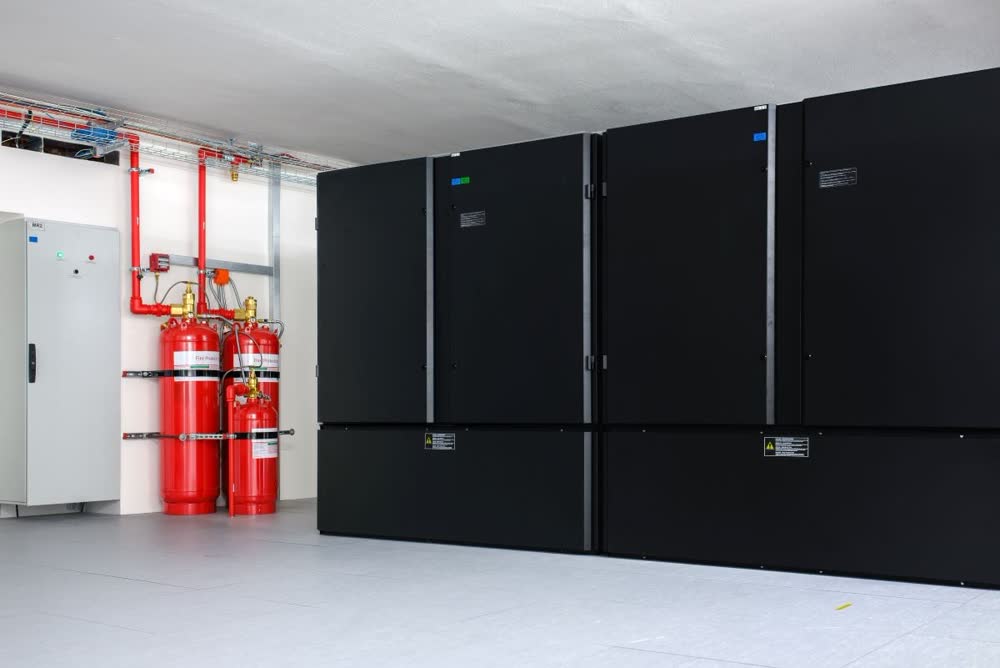
Fire protection for restaurants in Toronto starts at the cooking line and works outward. Grease, high heat and open flame make commercial kitchens the highest-risk rooms in the city, so a compliant restaurant combines a kitchen hood suppression system, a Class K extinguisher, general extinguishers, alarms and emergency lighting, all inspected on schedule. Get those pieces right and you pass both your fire and your health inspections.
Quick answer: A Toronto restaurant generally needs a fixed kitchen hood suppression system over its cooking appliances, a Class K wet chemical extinguisher on the line plus ABC extinguishers throughout, a fire alarm system sized to the occupancy, and emergency and exit lighting. Under the Ontario Fire Code these systems must be inspected and tested on a set schedule, with the hood system serviced roughly every six months. Tovic Fire installs, inspects and documents all of it across Toronto and the GTA.
What does a restaurant need to pass inspection?
A fire inspector walking into a Toronto restaurant is checking that every life-safety system is present, functional and documented. Missing paperwork fails you as fast as missing equipment, so the goal is a complete, tagged and current set of systems.
- A fixed kitchen hood suppression system over deep fryers, ranges, griddles and char-broilers.
- A Class K extinguisher within reach of the cooking line, plus ABC extinguishers by exits and in back-of-house.
- A monitored fire alarm system where the occupancy or building type requires one.
- Working emergency lighting and illuminated exit signs on every egress path.
- A current fire safety plan and up-to-date inspection tags on all equipment.
These requirements sit under the Ontario Fire Code (O. Reg. 213/07) and the Ontario Building Code. If you are fitting out a new space or taking over an old one, an upfront commercial inspection tells you exactly where the gaps are before the city does.
How does kitchen hood suppression work?
The heart of restaurant fire protection is the wet chemical suppression system built into the exhaust hood. Nozzles aimed at each appliance and inside the duct discharge a potassium-based agent that smothers a grease fire and cools the oil below its re-ignition point. Activation also shuts down the gas or electric supply to the appliances and can trigger the building fire alarm.
These systems are engineered and installed to NFPA 96 and NFPA 17A, and they need professional design so nozzle coverage matches your specific appliance layout. Our commercial kitchen fire suppression service covers new installs, appliance changes and the semi-annual service that keeps the system listed. Remember that suppression and hood cleaning are two different jobs: cleaning removes the grease fuel, while the suppression system fights a fire if one starts anyway.
Which extinguishers does a kitchen need?
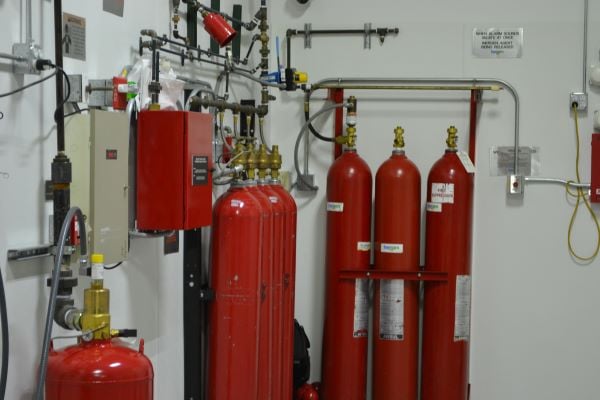
Cooking oils and fats burn as Class K fires, and a standard ABC dry chemical unit is not rated to put them out safely. That is why a commercial cooking line needs a Class K wet chemical extinguisher, mounted within a short travel distance of the appliances and marked with a placard telling staff to activate the hood system first, then use the extinguisher on any remaining flames.
The Class K unit supplements the fixed system, it never replaces it. Everywhere else, from the dining room to storage and electrical areas, you use general ABC extinguishers. If you are unsure how the classes map to your space, our guide to fire extinguisher types and to how many extinguishers you need both help. All extinguishers get a monthly quick check by staff and annual maintenance by a technician under NFPA 10, with periodic hydrostatic testing.
What about alarms and emergency lighting?
Beyond the kitchen, a restaurant is still an assembly occupancy full of people who may not know the exits. Depending on size, building type and occupant load, you may need a monitored fire alarm system with pull stations, detection and audible signals, inspected annually to CAN/ULC-S536 and verified to CAN/ULC-S537 whenever it is installed or modified. Tovic Fire provides 24/7 alarm monitoring so a signal reaches the fire department even when the room is empty.
Emergency lighting and exit signs are just as regulated. Battery-backed lights must get a monthly function test and an annual full-duration test, typically 30 minutes, so they carry your guests to the door in a power failure. See our emergency lighting service for installation and testing across the GTA.
Opening or running a restaurant?
Let our team map every system your kitchen and dining room need to stay code-compliant.
What are the inspection intervals?
Staying inspection-ready is mostly about hitting the right service dates for each system. The table below summarizes the intervals that typically apply to a Toronto restaurant. Actual frequencies can vary with cooking volume and building specifics, so treat this as a planning guide and confirm your schedule with a technician.
| System | Typical interval | Standard |
|---|---|---|
| Hood suppression system | Every 6 months | NFPA 96 / NFPA 17A |
| Exhaust hood & duct cleaning | Monthly to annually by volume | NFPA 96 |
| Class K & ABC extinguishers | Monthly check, annual service | NFPA 10 |
| Fire alarm system | Annually | CAN/ULC-S536 |
| Emergency & exit lighting | Monthly test, annual full duration | Ontario Fire Code |
| Sprinklers (if present) | Per NFPA 25 schedule | NFPA 25 |
For the full picture across every device in your building, our overview of how often to inspect fire equipment in Ontario and the Ontario Fire Code compliance checklist keep the dates in one place.
Why use one contractor for your restaurant?
Restaurants that juggle a separate vendor for hoods, extinguishers, alarms and lighting end up with mismatched tags, missed dates and finger-pointing when an inspector visits. Tovic Fire handles every system under one roof, so your paperwork is consistent and one call gets the whole restaurant inspection-ready. We serve kitchens from downtown Toronto to Scarborough, North York, Etobicoke, Mississauga, Vaughan, Markham and Richmond Hill.
Our work aligns to ULC, NFPA, CSA and TSSA standards and is carried out as City of Toronto permitted work where required. Whether you are opening a new location or bringing an older kitchen up to date, book a site assessment or browse our full fire protection services to get started.
Frequently asked questions
What fire protection does a restaurant need?
A Toronto restaurant generally needs a kitchen hood suppression system over cooking appliances, a Class K extinguisher near the cooking line plus ABC extinguishers elsewhere, a fire alarm system for larger occupancies, and emergency and exit lighting. Each of these systems must be inspected and tested on schedule under the Ontario Fire Code.
How often is the hood system inspected?
Kitchen hood suppression systems are typically inspected and serviced every six months under NFPA 96 and the Ontario Fire Code. The exhaust hood, ducts and filters also need cleaning at a frequency based on how heavily you cook, ranging from monthly for high-volume kitchens to annually for lighter use.
What extinguisher for a kitchen?
A commercial cooking line needs a Class K wet chemical extinguisher rated for cooking oils and fats. It supplements, not replaces, the fixed hood suppression system, and a placard should direct staff to activate the hood system first. General ABC extinguishers cover the rest of the premises.
Can you get me inspection-ready?
Yes. Tovic Fire inspects and services every life-safety system in a Toronto or GTA restaurant, from hood suppression and Class K extinguishers to alarms and emergency lighting, and provides the documentation your fire and health inspectors expect. Request a site assessment and we will map out exactly what your kitchen needs.