24/7 Fire Alarm Monitoring in Toronto (ULC)
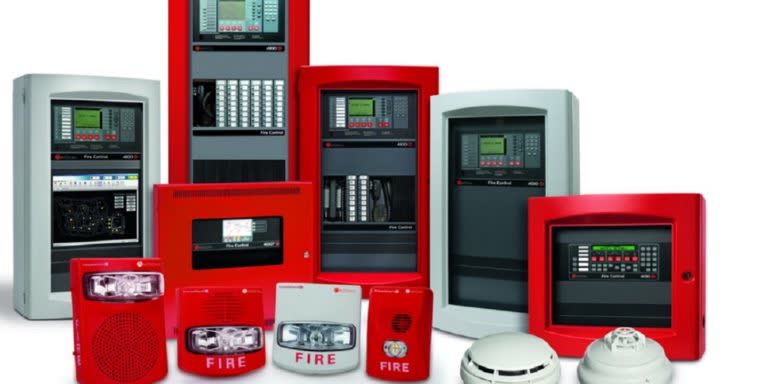
Fire alarm monitoring in Toronto connects your building's alarm panel to a central station that watches for signals 24 hours a day, every day of the year. When a detector or pull station triggers an alarm, the signal travels to a ULC-listed monitoring station, operators confirm it, and the fire service is dispatched, whether it is 3 p.m. or 3 a.m. across Toronto and the GTA.
Quick answer: 24/7 fire alarm monitoring means your fire alarm panel transmits its signals to a ULC-listed central station that is staffed around the clock. When an alarm, trouble or supervisory signal is received, trained operators verify it and dispatch the fire department or notify your contacts, so a fire is acted on immediately even when the building is empty. In many Ontario buildings, this monitored connection is a code requirement, not an option.
What does monitored fire alarm actually mean?
A monitored fire alarm system does more than sound a bell inside the building. It sends every event, alarm, trouble and supervisory, to an off-site central station over a supervised communication path. That means someone is always listening, even overnight, on weekends and during holidays when no one is on site to hear the horns.
The three signal types matter because each is handled differently:
- Alarm signals indicate a detected fire condition and trigger verification and dispatch.
- Supervisory signals flag something that affects readiness, such as a closed sprinkler valve, and prompt a call to your site.
- Trouble signals report faults like a wiring problem or lost communication so they can be repaired before they matter.
Monitoring is a companion to, not a substitute for, regular fire alarm inspection and testing. The monitoring station watches the signals; scheduled testing proves the panel, devices and communication path genuinely work.
Why does ULC listing matter?
ULC (Underwriters Laboratories of Canada) sets the recognized standard for how fire signals are received, processed and recorded at a central station. A ULC-listed monitoring connection is the accepted way to satisfy the transmission requirements found in the Ontario Fire Code (O. Reg. 213/07) and the Ontario Building Code for buildings that must report to a monitoring station.
Choosing a ULC-aligned station is not just a compliance checkbox. It means the station meets defined requirements for staffing, redundancy, record keeping and signal handling, so an inspector, insurer or property manager can trust that your alarms are being received and acted on correctly. Tovic Fire aligns its monitoring and service work to ULC, NFPA, CSA, TSSA and CFAA practices for buildings across Toronto and the GTA.
How does dispatch work when the alarm trips?
The moment a signal arrives, the central station follows a written procedure built specifically for your site. In broad terms:
- The signal is received and identified by building, zone and type.
- Operators verify the event against your instructions and any required confirmation steps.
- The fire service is dispatched and your designated contacts are notified per your call list.
- The entire sequence is time-stamped and logged for your records and any inspection follow-up.
We do not publish a specific guaranteed response time, because it depends on the signal type, verification steps and the local fire service. The point of monitoring is simple: every alarm is handled promptly, around the clock, by people trained to act. This pairs naturally with a well-maintained fire alarm installation that is verified to code and, in larger buildings, with voice evacuation systems that direct occupants during an alarm.
Cellular vs phone-line communicators
Your panel needs a reliable way to reach the central station. The communicator is the device that sends the signals, and the path you choose affects both reliability and cost.
| Communication path | How it works | Best for | Notes |
|---|---|---|---|
| Traditional phone line (POTS) | Signals sent over a copper landline, often two lines | Older buildings still served by copper | Landlines are being phased out; can be costly and less reliable |
| Cellular communicator | Signals sent over a cellular network path | Most new and upgraded systems | No dependence on building phone lines; commonly used today |
| IP / network | Signals sent over the building internet connection | Sites with stable managed networks | Often paired with a cellular backup for redundancy |
| Dual-path (cellular + IP) | Two independent paths, one backs up the other | Higher-risk or larger buildings | Strong redundancy; supervised so a failed path raises a trouble signal |
Many Toronto buildings are moving away from copper phone lines toward cellular or dual-path communicators, which remove the dependence on aging landlines. We assess your panel and recommend a path that fits the building, the risk and your budget.
How do you sign up an existing system?
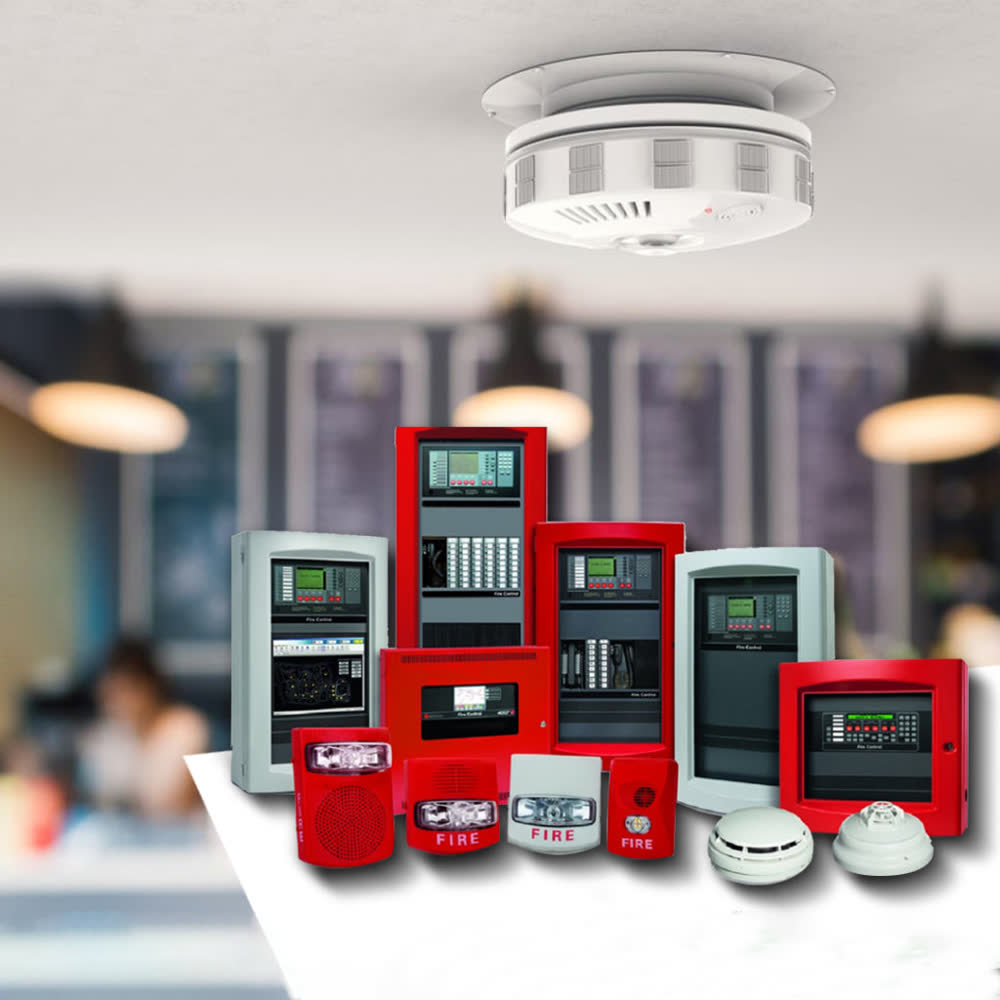
You usually do not need a brand-new alarm system to get monitored protection. If your existing panel is in good working order and has a suitable communicator, or can accept one, we can connect it to our ULC-listed central station across Scarborough, North York, Etobicoke, Mississauga, Vaughan, Markham and Richmond Hill.
The typical steps are straightforward:
- We assess your current panel and confirm the best communication path.
- We install or configure the communicator and program the account details.
- We test the full path end to end so signals reach the station correctly.
- We document the connection so it lines up with your annual fire inspection records.
Want 24/7 monitored protection?
Book a site assessment and we will connect or upgrade your fire alarm to a ULC-listed central station.
Monitoring for condos and businesses
Different buildings carry different obligations. For condos and multi-residential buildings, boards and property managers rely on monitoring to protect residents overnight and to satisfy Ontario Fire Code reporting requirements; our guide on fire protection for condos covers how monitoring fits the wider compliance picture. For commercial sites, restaurants and warehouses, monitoring reduces the window between ignition and response when the building is closed.
Whatever the building type, monitoring works best as part of a maintained program: a properly verified fire alarm at install or modification, regular testing to keep it compliant, and a monitored connection that never sleeps. If you are unsure what your building needs, our team can review your setup and your Ontario fire code compliance obligations, then connect you to reliable 24/7 monitoring. You can also request a site assessment to get started.
Frequently asked questions
What is ULC monitoring?
ULC monitoring means your fire alarm signals are received and handled by a central station that meets the ULC (Underwriters Laboratories of Canada) listing requirements for signal receiving and processing. In many buildings the Ontario Fire Code and Ontario Building Code require alarm signals to be transmitted to an approved monitoring station, and a ULC-listed connection is the recognized way to meet that obligation.
How fast is dispatch?
When a fire signal arrives, our operators act on it immediately and follow the agreed call list and dispatch procedure for your site. We do not publish a specific guaranteed response time because it depends on signal type, verification steps and the local fire service, but the intent of a monitored system is rapid, round-the-clock handling of every alarm.
Can you monitor my existing alarm?
In most cases, yes. If your fire alarm panel is in working order and has a suitable communicator, or can accept one, we can connect it to our ULC-listed central station. We assess the panel, confirm the communication path, and complete the connection and testing so the transition is seamless.
Do I still need annual testing?
Yes. Monitoring and inspection are separate obligations. Under the Ontario Fire Code your fire alarm system still needs regular inspection and testing, typically annually to CAN/ULC-S536, in addition to being monitored. Monitoring watches for signals; testing proves the system and its communication path actually work.