Fire Alarm Verification in Toronto (CAN/ULC-S537)
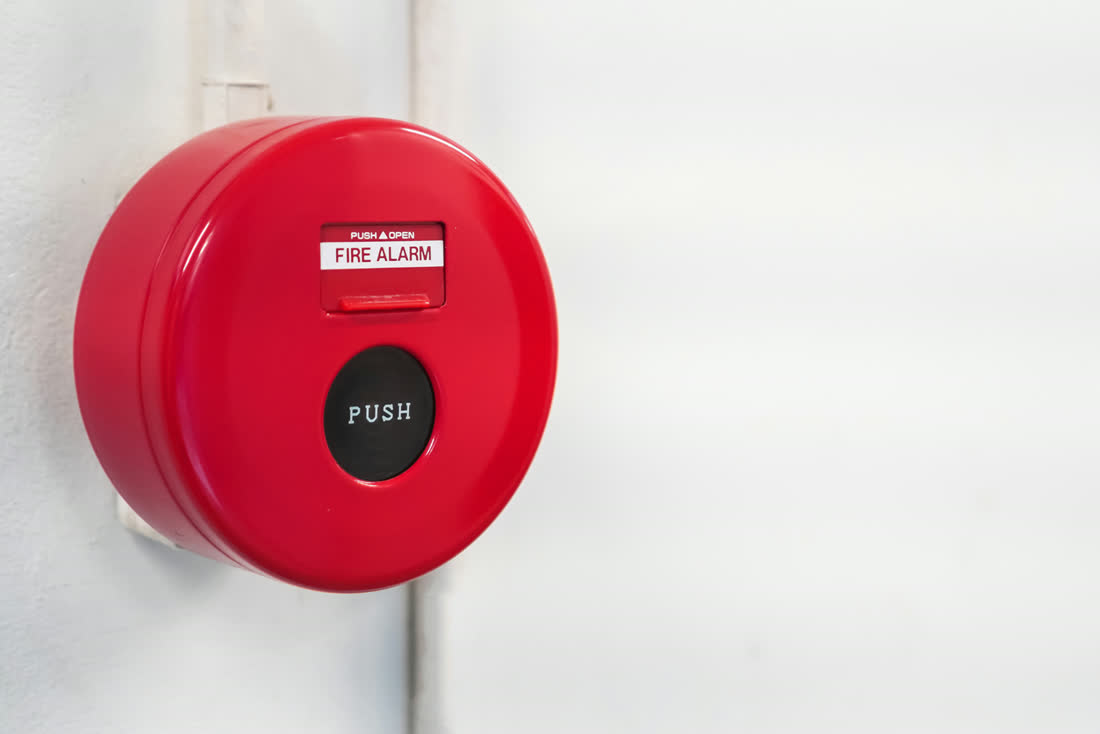
Fire alarm verification in Toronto is the independent, one-time test that confirms a new or modified fire alarm system was installed correctly and works exactly as designed. It is carried out to the CAN/ULC-S537 standard, and the signed verification report is what supports occupancy of a new building or renovated space across Toronto and the GTA. If you have just installed, extended, or changed an alarm system, this is the step that closes it out.
Quick answer: Fire alarm verification is a mandatory, one-time inspection to CAN/ULC-S537 that proves a newly installed or modified fire alarm system was wired, programmed, and installed to code and operates correctly. A qualified technician tests every device and produces a signed verification report, which is generally required before the building can be occupied. It is separate from the recurring annual testing done under CAN/ULC-S536.
What is fire alarm verification?
Verification is a device-by-device confirmation that a fire alarm system was installed the way it was designed and that it performs its life-safety function. Every initiating device (pull stations, smoke and heat detectors, waterflow switches) and every signalling device (horns, strobes, speakers) is triggered and observed, and the control panel, annunciator, and off-site signal to the monitoring station are all checked.
Think of it as the final exam for a fresh install. Installation puts the hardware in place; verification proves the hardware actually does its job before anyone relies on it. Because the goal is an objective pass or fail, verification is best done by a technician working independently of whoever pulled the wire. Our fire alarm installation guide covers the design and rough-in stages that come before this point.
S537 vs S536: verification versus annual testing
These two standards are often confused, but they cover different moments in a system's life. CAN/ULC-S537 is verification, done once, at install or after a modification. CAN/ULC-S536 is inspection and testing, done on a recurring basis, generally once a year, for the rest of the system's service life.
You verify a system the day it is born, then you inspect and test it every year it stays in service. Both matter, and skipping either one is a common way buildings fall out of compliance under the Ontario Fire Code (O. Reg. 213/07). For the recurring side, see our guide to annual fire alarm inspection and testing.
When is fire alarm verification required?
Verification is generally required any time a fire alarm system is new or has been meaningfully changed. Typical triggers include:
- A newly installed fire alarm system in new construction.
- A modification, extension, or reconfiguration of an existing system, for example during a tenant fit-out or floor renovation.
- Adding, moving, or replacing devices such as detectors, pull stations, or notification appliances.
- Panel replacement or major reprogramming.
In practice, the signed verification report is usually needed to close the building permit and support occupancy, so it sits on the critical path for new and renovated spaces in Toronto, Scarborough, North York, Etobicoke, Mississauga, Vaughan, Markham, and Richmond Hill. Planning a fit-out? Line up verification early so it does not hold up your move-in date. You can request a site assessment to scope it.
What does the verification cover?
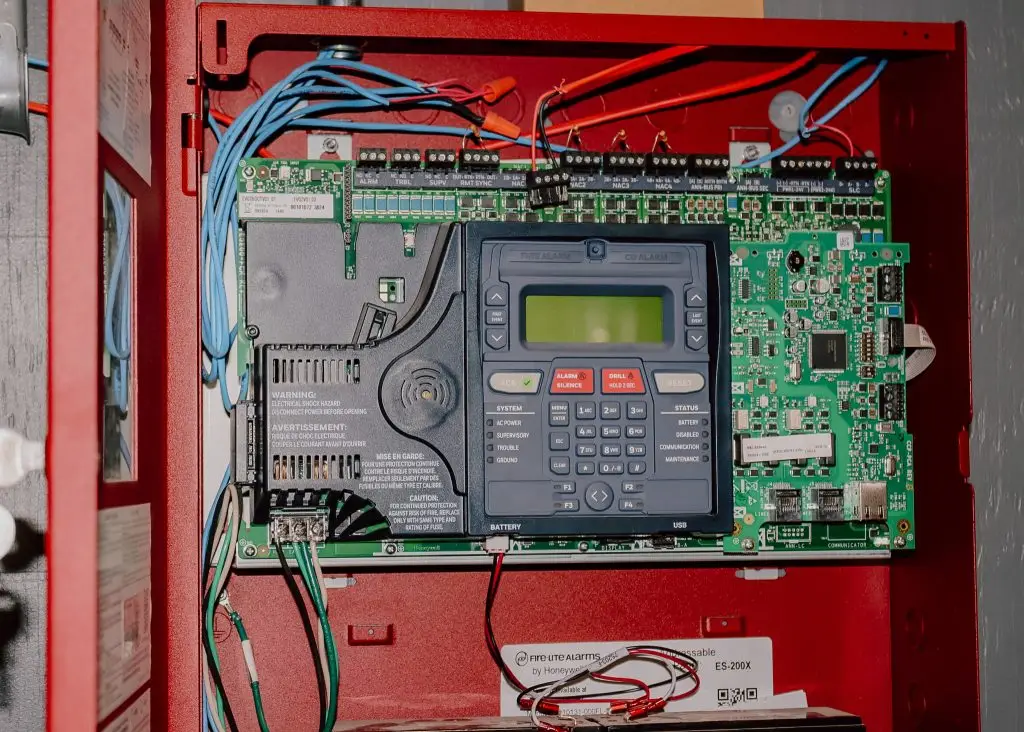
A verification to CAN/ULC-S537 works methodically through the entire installation. At a high level, a qualified technician confirms each of the following areas.
| Area verified | What is confirmed |
|---|---|
| Field wiring | Circuits are correctly installed, supervised, and free of ground faults or opens. |
| Initiating devices | Every pull station, smoke and heat detector, and waterflow switch triggers the correct signal. |
| Notification appliances | Horns, strobes, and speakers activate audibly and visibly throughout the building. |
| Control panel & annunciator | Zones, addresses, and labelling match the drawings; trouble and supervisory conditions display correctly. |
| Ancillary functions | Door releases, elevator recall, fan shutdown, and other interconnected functions operate on alarm. |
| Off-site signal | The alarm, supervisory, and trouble signals reach the monitoring station. |
On larger or voice-based systems, the scope grows accordingly. High-occupancy buildings often use voice evacuation (EVC) systems, which add intelligibility and message checks to the verification.
New or modified alarm system?
We verify new and modified fire alarm systems to CAN/ULC-S537 and hand you the signed report you need for occupancy.
The verification report
The deliverable is a signed CAN/ULC-S537 verification report. It records every device tested, the results, any deficiencies found and corrected, and the technician's confirmation that the system meets the standard. This document is what your permit reviewer, insurer, and the local authority having jurisdiction will look for.
Keep the report with your building records. It is the baseline your future annual fire inspections build on, and it demonstrates due diligence under the Fire Protection and Prevention Act. Once verification is complete, your system moves into its ongoing 24/7 monitoring and yearly testing cycle.
Booking verification in Toronto and the GTA
Tovic Fire performs fire alarm verification for new and modified systems across Toronto and the Greater Toronto Area. We align our work to ULC, NFPA, CSA, TSSA, and CFAA practice, carry out City of Toronto permitted work, and provide the signed report you need to support occupancy. Whether it is a single-tenant fit-out in Scarborough or a full base-building system in North York, we schedule around your occupancy date so verification does not become the bottleneck.
To get started, tell us the scope of the install or modification and your target occupancy date through our fire protection services page or by calling 647-377-3517. If you also need install and ongoing testing, we can handle the whole life cycle under one contractor.
Frequently asked questions
What is CAN/ULC-S537?
CAN/ULC-S537 is the Canadian standard for the verification of fire alarm systems. It sets out the procedures a qualified technician follows to confirm that a newly installed or modified fire alarm system has been installed correctly and operates as intended. Verification to S537 is separate from the annual inspection and testing done under CAN/ULC-S536.
When is fire alarm verification required?
Verification is generally required whenever a fire alarm system is newly installed, or when an existing system is modified, extended, or has devices added or replaced. It is typically completed before a building or renovated space is occupied, and the signed verification report is usually needed to close out the permit and support occupancy.
Verification vs inspection - what is the difference?
Verification (CAN/ULC-S537) is a one-time process that confirms a new or modified system was installed correctly before it goes into service. Inspection and testing (CAN/ULC-S536) is the recurring, generally annual check that confirms an existing, in-service system still works. You verify once at install, then you inspect and test every year afterward.
Who can perform verification?
Verification must be performed by a qualified technician working to CAN/ULC-S537, often independent of the installer to keep the check objective. Tovic Fire aligns its work to ULC, NFPA, CSA, TSSA and CFAA practice and carries out permitted work in the City of Toronto and across the GTA.