Fire Alarm System Installation in Toronto
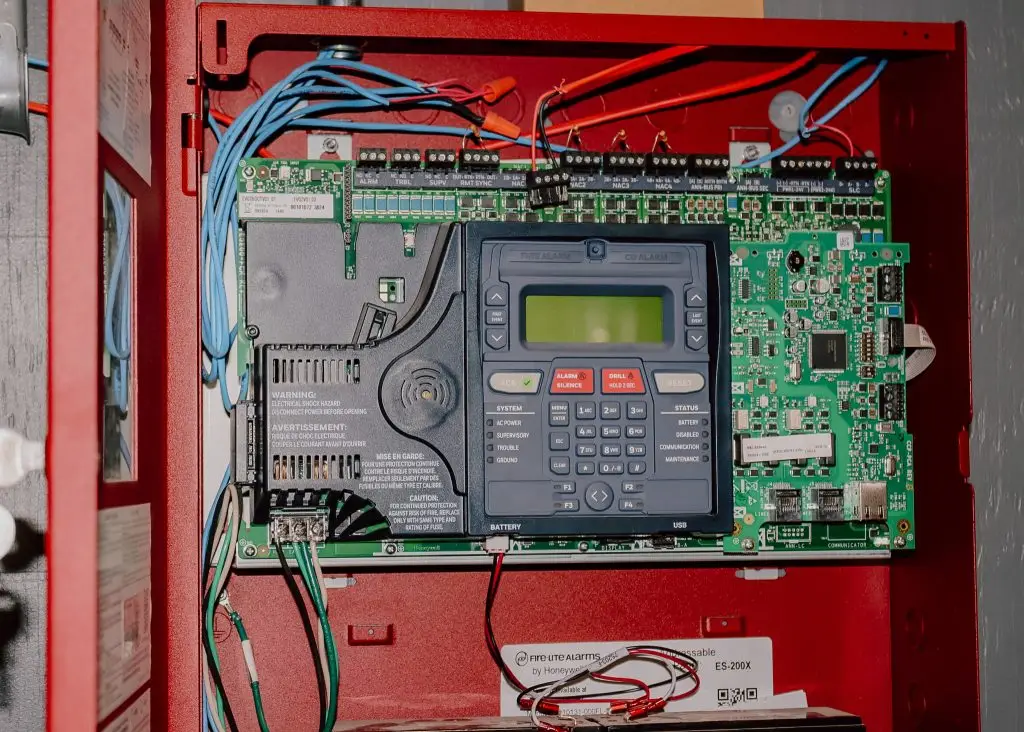
Fire alarm installation in Toronto starts with a design that matches your building, followed by device rough-in, wiring, panel programming and a mandatory verification before the system goes live. Whether you run a condo, a restaurant or a warehouse across the GTA, the same rules apply: the system has to be designed to the Ontario Building Code and verified to CAN/ULC-S537. This guide walks through when you need a fire alarm system, how addressable and conventional systems differ, what the install actually involves, and why one fire protection contractor should carry it end to end.
Quick answer: A fire alarm system installation in Toronto involves designing the system to the Ontario Building Code, permitting the work with the City of Toronto, installing the panel, detectors, pull stations and notification devices, then verifying the finished system to CAN/ULC-S537 before it is placed in service. Most commercial buildings use an addressable fire alarm panel, while small simple buildings may use a conventional one. Tovic Fire designs, installs, verifies and can monitor the system across Toronto and the GTA.
When do you need a fire alarm system?
Whether a building must have a fire alarm system, and what type, is driven by the Ontario Building Code based on the building's use, size, occupant load and number of storeys. New construction and major renovations trigger a design requirement, and a change of use, such as turning a warehouse into offices, can trigger one too.
You typically need a new or upgraded fire alarm system in Toronto when you are constructing a new commercial or residential building, adding storeys or floor area, converting occupancy, or when an existing panel is obsolete and parts are no longer available. If you are unsure whether your project needs one, a site assessment and a look at the Building Code classification will tell you quickly. Older buildings often need upgrades as part of a wider fire code retrofit.
Addressable vs conventional: which fire alarm panel?
The two main system types differ in how devices report to the fire alarm panel. On a conventional system, devices are wired into zones, and the panel only knows which zone is in alarm, not which device. On an addressable fire alarm system, every detector and pull station has its own address and reports its exact location to the panel, which speeds up response and troubleshooting.
- Conventional systems are often a sensible, lower-cost choice for small, simple buildings with few zones.
- Addressable systems suit larger, multi-storey or complex buildings where knowing the exact device location matters, and they scale better as the building grows.
Building size and the Ontario Building Code frequently make the decision for you. During design we recommend the right approach for your occupancy and future plans rather than defaulting to one type.
| Feature | Conventional | Addressable |
|---|---|---|
| Device identification | By zone only | Exact device and location |
| Best for | Small, simple buildings | Larger, multi-storey buildings |
| Troubleshooting | Zone-level, slower | Pinpoints the device fast |
| Scalability | Limited | High, easy to expand |
| Relative upfront cost | Lower | Higher |
What does the installation process involve?
A compliant install follows a clear sequence. Skipping steps, especially permitting and verification, is where non-compliant systems come from.
- Site assessment and design: we classify the building, lay out devices and produce permit drawings to the Ontario Building Code.
- Permitting: drawings are submitted for approval; in the City of Toronto the work is permitted and inspected.
- Rough-in and wiring: back boxes, conduit and cabling are installed, coordinated with other trades.
- Device installation and panel programming: detectors, pull stations, notification appliances and the panel are mounted and configured.
- Verification to CAN/ULC-S537: every device and function is tested and documented before the system is placed in service.
- Monitoring connection: where required, the panel is connected to a ULC-listed 24/7 monitoring station.
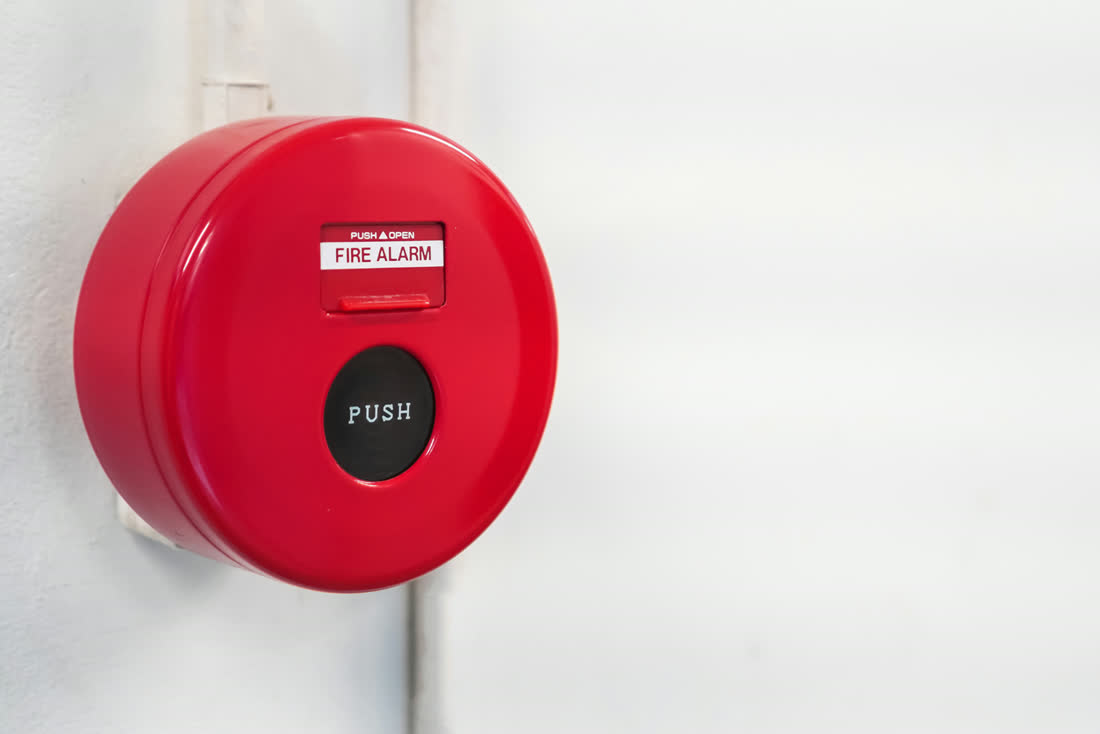
The devices: pull stations, detectors and notification
A fire alarm system is more than a panel. It is a network of initiating and notification devices, each placed to code so the building is fully covered.
- Manual pull stations at exits let occupants trigger the alarm by hand.
- Smoke and heat detectors sense fire automatically; placement follows spacing and coverage rules. For dwellings, dedicated smoke and CO alarms also apply.
- Notification appliances, horns, bells and strobes, alert occupants; larger buildings may use voice evacuation (EVC) instead of simple bells.
- Annunciators and the control panel give responders a clear picture of what is happening and where.
Once installed, all of these devices need ongoing annual inspection and testing to CAN/ULC-S536 to stay compliant. We plan installations so future testing is straightforward.
Planning a fire alarm install?
Book a site assessment and we will design, permit and verify a system that fits your building and your budget.
Verification to CAN/ULC-S537
A fire alarm system is not finished when the last device is mounted. New and modified systems generally require verification to CAN/ULC-S537, a systematic test of every device, circuit and sequence to confirm the installation matches the approved design and works as intended.
Verification produces a signed report that you need for occupancy and that inspectors and insurers may ask to see. It is different from the annual CAN/ULC-S536 inspection that happens every year afterward: S537 verifies the install once, S536 tests the system on an ongoing basis. We include verification in our installation scope so you are handed a complete, documented and legal system.
Why use one fire protection contractor?
Fire alarm work touches design, electrical, permitting, verification and monitoring. Splitting those across separate vendors creates gaps where responsibility, and compliance, can fall through. A single fire alarm contractor who carries the project from design to verification keeps accountability in one place.
Tovic Fire serves Toronto, Scarborough, North York, Etobicoke, Mississauga, Vaughan, Markham and Richmond Hill, and aligns work to ULC, NFPA, CSA, TSSA and CFAA standards. Because we also handle monitoring and can bundle your alarm with your annual fire inspection, one team keeps every system working together. Explore what we do on our services page, or request a site assessment to get started.
Frequently asked questions
How much does a fire alarm system cost in Toronto?
Cost depends on building size, the number of devices and zones, whether the system is addressable or conventional, and how much cabling is required. Small tenant fit-outs and single-zone systems sit at the low end, while multi-storey buildings with voice evacuation cost significantly more. We provide a fixed written quote after a site assessment rather than a price over the phone.
Addressable or conventional, which do I need?
Conventional systems are usually a good fit for small, simple buildings, while addressable systems suit larger or multi-storey buildings because each device reports its exact location to the panel. The Ontario Building Code and building size often drive the choice. We recommend the right system based on your occupancy, floor area and future plans during the site assessment.
Do I need a permit?
New fire alarm systems and many modifications typically require permits and approved drawings under the Ontario Building Code, and in the City of Toronto the work must be permitted and inspected. We handle the permit drawings, coordination and inspections as part of the installation so the system is approved and legal to operate.
Is verification included?
Yes. New and modified fire alarm systems generally require verification to CAN/ULC-S537 before they can be considered complete and put into service. We include verification in our installation scope and provide the signed verification report you need for occupancy and for your records.