Fire Alarm Inspection & Testing in Toronto (CAN/ULC-S536)
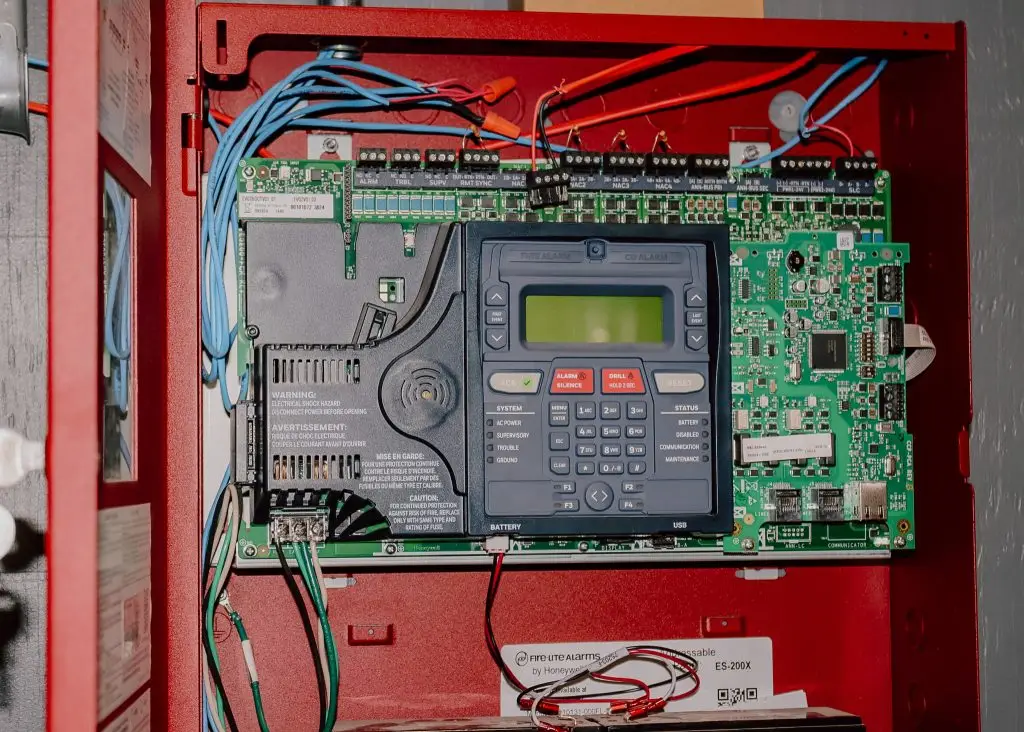
A fire alarm system is only as good as its last test. A reliable fire alarm inspection in Toronto confirms that every detector, pull station, bell and panel will do its job the moment it matters, and that the signal still reaches your monitoring station. For owners and property managers across Toronto and the GTA, annual fire alarm testing is not optional housekeeping, it is a legal duty that keeps people safe and keeps your building inspection-ready.
Quick answer: In Ontario, fire alarm systems must be inspected and tested at least once a year under the Ontario Fire Code, following the CAN/ULC-S536 standard for in-service systems. The annual test verifies that the control panel, detectors, pull stations, notification devices, standby power and the monitoring connection all function correctly, and the building owner must keep the resulting records on site. This is separate from the one-time CAN/ULC-S537 verification required when a system is newly installed or modified.
This guide explains why annual fire alarm testing is required in Ontario, how the CAN/ULC-S536 testing standard differs from CAN/ULC-S537 verification, what actually gets checked during an inspection, and how monitoring and testing work together. If your last report is more than a year old, it is time to book.
Why annual fire alarm testing is the law in Ontario
Under the Ontario Fire Code (O. Reg. 213/07), made under the Fire Protection and Prevention Act, building owners are responsible for keeping fire alarm and detection systems in good working order at all times. In practice that means inspecting and testing the system, generally at least once a year, in accordance with the recognised standard, and keeping the records on site for the fire department to review.
Skipping the annual test is a real risk. A failed detector or a dead monitoring link can go unnoticed for months, and a fire inspector who finds lapsed records can issue an order to comply. Staying current with your annual fire inspection protects occupants first, and protects you from orders, insurance disputes and liability second.
CAN/ULC-S536 vs S537 (testing vs verification)
These two standards are often confused, but they cover different moments in a system's life. Knowing which one you need keeps your paperwork clean and your building compliant.
- CAN/ULC-S537 (verification) applies once, when a fire alarm system is newly installed or significantly modified. Verification proves the as-built system matches the approved design and that every device was wired and installed correctly.
- CAN/ULC-S536 (inspection and testing) applies for the life of the system after it is in service. This is the recurring, generally annual, testing that confirms the system still performs as intended.
| Standard | What it covers | When it applies |
|---|---|---|
| CAN/ULC-S536 | Periodic inspection and testing of an in-service fire alarm system, confirming the panel, detectors, pull stations, notification devices, standby power and monitoring connection still perform as intended. | Recurring for the life of the system, generally at least annually under the Ontario Fire Code. |
| CAN/ULC-S537 | Verification that a newly installed or modified system matches its approved design and that every device is wired and installed correctly. | Once, at initial installation or after a significant modification, before the annual S536 cycle begins. |
Put simply, S537 is the one-time birth certificate and S536 is the annual physical. A new install in Scarborough or North York needs a verification first, then falls into the annual S536 cycle from that point on.
Code note: CAN/ULC-S536 is the Canadian standard for the inspection and testing of in-service fire alarm systems, while CAN/ULC-S537 covers verification of new or modified installations. Under the Ontario Fire Code, the owner must keep these test and inspection records available for review.
What gets tested during an inspection
A thorough S536 inspection is methodical and covers the entire signalling chain, from the field devices through the panel to the people who respond. During a typical fire alarm testing visit in Toronto, our technicians check:
- The fire alarm control panel, including trouble, supervisory and alarm conditions, and any annunciators.
- Smoke and heat detectors, tested for response and, where applicable, sensitivity.
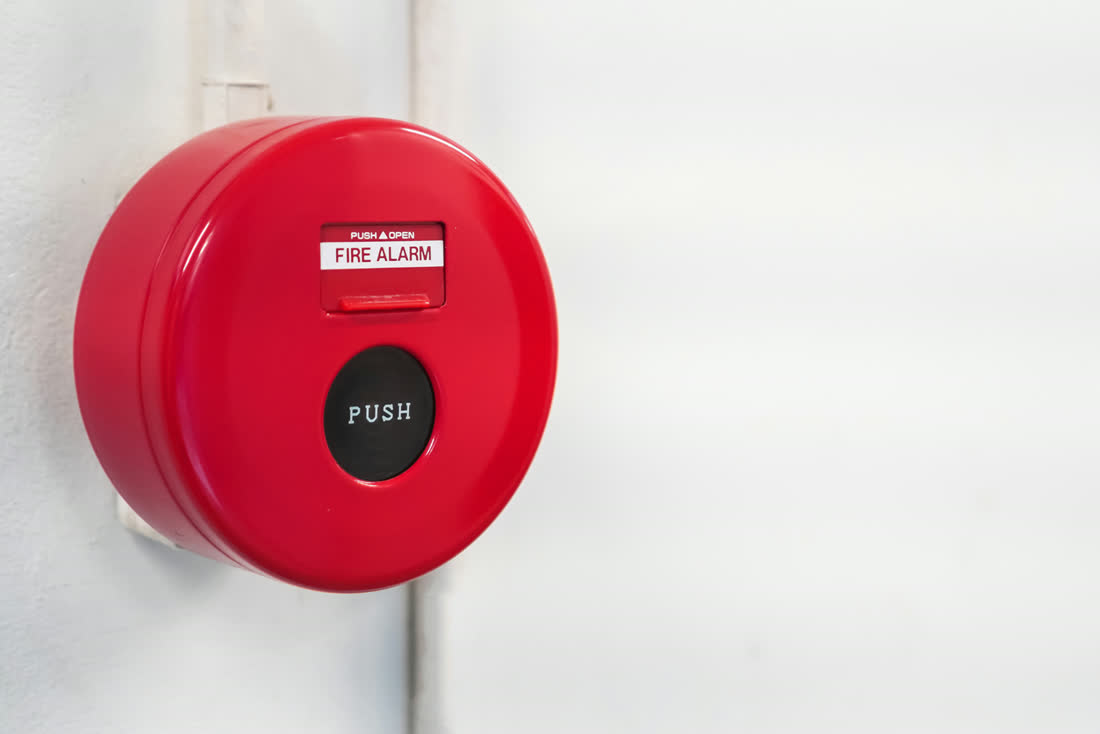
- Manual pull stations on each floor and at each exit.
- Audible and visible notification devices, the horns, bells, speakers and strobes, for correct operation and coverage.
- Primary power and standby batteries, confirming the system carries through a power failure.
- Sprinkler and suppression interface devices such as flow and tamper switches, which tie into your sprinkler system.
- The monitoring connection, confirming signals actually reach the central station.
Every result is logged. You receive a clear report listing what passed, what failed, and what we recommend, which is exactly the documentation a fire inspector will ask to see.
Monitoring: who is listening when the alarm sounds
An alarm that sounds inside an empty building at 3am does nothing on its own. Monitoring connects your panel to a central station so that a verified signal triggers the right response, day or night. Tovic Fire provides 24/7 monitoring across the GTA, so a fire condition in Etobicoke or Mississauga is received and acted on around the clock, not just during business hours.
This is why testing and monitoring belong together. The annual S536 inspection confirms the panel detects and signals correctly, and the monitoring test confirms that signal travels all the way to a station that will dispatch help. One without the other leaves a gap.
Is your fire alarm test overdue?
If your last CAN/ULC-S536 report is more than a year old, book a site assessment and we will get your Toronto or GTA building back on schedule.
Common deficiencies we find and fix
Most systems are not perfect, and that is exactly why annual testing exists. The deficiencies we see most often across Toronto, Vaughan and Markham buildings include:
- Weak or end-of-life standby batteries that will not carry the panel through an outage.
- Detectors that are dirty, painted over, obstructed or past their service life.
- Notification devices that are too quiet or blocked, leaving dead spots in coverage.
- Monitoring signals that no longer reach the central station after a phone line or network change.
- Outstanding trouble conditions on the panel that staff have learned to ignore.
When we find a deficiency, it goes on the report and we walk you through it. We can complete the corrective work so the system returns to a fully compliant state, often on the same visit. Fire alarm testing also pairs naturally with your smoke and CO alarm servicing, so detection across the building is handled together.
Scheduling fire alarm testing for your building
The simplest way to stay compliant is to schedule the annual fire alarm inspection on a fixed cycle and let your contractor track the due dates. We coordinate around your operating hours to keep disruption to a minimum, notify your monitoring station before we begin so test signals are not mistaken for a real event, and hand over your S536 records the same way every year.
If you manage several systems, it helps to understand the full picture of how often each piece of fire equipment needs inspection in Ontario, from monthly checks to annual and multi-year tests. Tovic Fire performs City-of-Toronto permitted work and aligns to ULC, NFPA, CSA, TSSA and CFAA standards, so your alarm, sprinkler and emergency systems all stay on a single, defensible schedule.
Frequently asked questions
How often must a fire alarm system be tested in Ontario?
Under the Ontario Fire Code, fire alarm systems must generally be inspected and tested at least annually in accordance with CAN/ULC-S536. Some components, such as monitoring connections and batteries, are checked more frequently. Building owners are responsible for keeping the system in good working order and retaining the test records.
What is CAN/ULC-S536?
CAN/ULC-S536 is the Canadian standard for the inspection and testing of fire alarm systems that are already in service. It defines what must be tested, how often, and how results are documented. It is distinct from CAN/ULC-S537, which covers the verification of a newly installed or modified system.
What happens if my fire alarm fails inspection?
Any device that fails is recorded as a deficiency on your inspection report. We review the findings with you, recommend the repair or replacement needed, and can carry out corrective work so the system is returned to a fully compliant, code-ready state. Outstanding deficiencies should be addressed promptly because the owner remains responsible for a working system at all times.
Do you provide alarm monitoring?
Yes. Tovic Fire offers 24/7 monitoring so that signals from your fire alarm system are received around the clock and the appropriate response is dispatched. Monitoring works alongside annual inspection and testing to keep your building protected and compliant across Toronto and the GTA.