Fire Sprinkler Installation in Toronto: Systems, Code & Cost
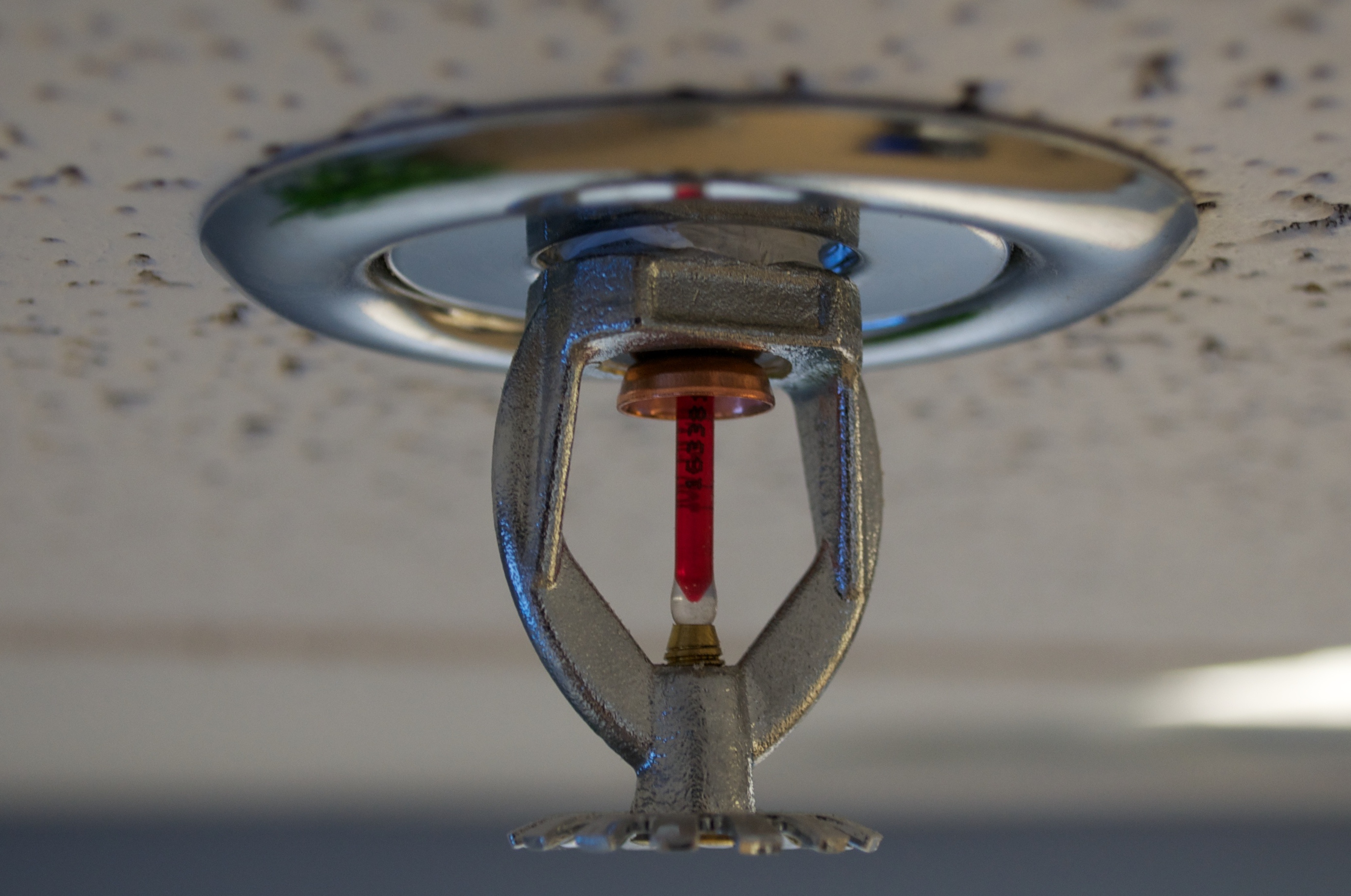
Fire sprinkler installation in Toronto is one of the most effective ways to protect a building, the people inside it and the work you do there. Whether you are putting up a new commercial space in North York, retrofitting a warehouse in Etobicoke or upgrading a mixed-use building in the GTA, the right system has to be designed to NFPA 13 and installed to the Ontario Building Code. This guide walks through who needs sprinklers, the main system types, the installation process, the codes that govern the work, what it costs and why a single fire protection contractor is the simplest way to get it done.
Quick answer: Fire sprinkler installation in Toronto requires a sealed hydraulic design to NFPA 13 and a City of Toronto building permit, because the Ontario Building Code sets when a system is mandatory based on a building's occupancy, size, height and use. The four main system types are wet-pipe, dry-pipe, pre-action and deluge, and the right one depends on the hazard and whether the piping can freeze. A qualified contractor handles the site assessment, sealed drawings, permit, installation and final inspection, then keeps the system compliant through ongoing NFPA 25 testing.
Who needs a fire sprinkler system in Toronto
Whether your building requires automatic sprinklers is determined primarily by the Ontario Building Code, based on occupancy type, building size, height and use. New commercial, industrial, institutional and many residential buildings are commonly required to be sprinklered, and additions or major renovations can trigger the requirement as well. The authority having jurisdiction, often the City of Toronto, confirms what applies to your specific project.
Beyond the legal requirement, sprinklers protect property and lives by controlling a fire at its source, frequently before the fire service arrives. Common building types that need a designed system across the GTA include:
- Warehouses and distribution centres in Mississauga, Vaughan and Markham
- Multi-unit residential and mixed-use buildings in Toronto and Scarborough
- Retail, restaurant and hospitality spaces
- Offices, schools, care facilities and assembly occupancies
Types of sprinkler systems (wet, dry, pre-action, deluge)
There is no single sprinkler system. The correct choice depends on the building environment, the hazard and the temperatures the piping will see. The four main types are:
- Wet-pipe: Water sits in the pipes at all times and discharges immediately when a sprinkler head activates. This is the most common and reliable choice for heated buildings.
- Dry-pipe: Pipes hold pressurised air rather than water, so they suit unheated spaces like parking garages, loading docks and cold warehouses where water could freeze.
- Pre-action: A two-step system that holds water back until a separate detection event occurs, used where accidental discharge would be costly, such as data centres and archives.
- Deluge: All heads are open and water floods the protected area at once, used for high-hazard areas where fire can spread rapidly.
The wet pipe vs dry pipe decision is the one most Toronto building owners ask about. The deciding factor is whether any part of the piping is exposed to freezing temperatures. If you are weighing this for an existing building, it is worth reviewing how the system ties into your wider annual fire inspection programme so testing stays simple.
| System type | How it works | Best suited for |
|---|---|---|
| Wet pipe | Pipes are filled with water at all times and discharge immediately when a head activates. | Most heated buildings — offices, retail, multi-unit residential and general commercial spaces. |
| Dry pipe | Pipes hold pressurised air that releases to let water in once a head opens, avoiding standing water that could freeze. | Unheated or freezing-prone areas such as parking garages, loading docks and cold warehouses. |
| Pre-action | Water is held back by a valve until a separate detection event occurs, adding a step before discharge. | Spaces where accidental discharge is costly — data centres, archives and storage of sensitive equipment. |
| Deluge | All heads are open and water floods the entire protected area at once when the system trips. | High-hazard areas where fire can spread rapidly, such as flammable-liquid handling and certain industrial processes. |
The installation process step by step
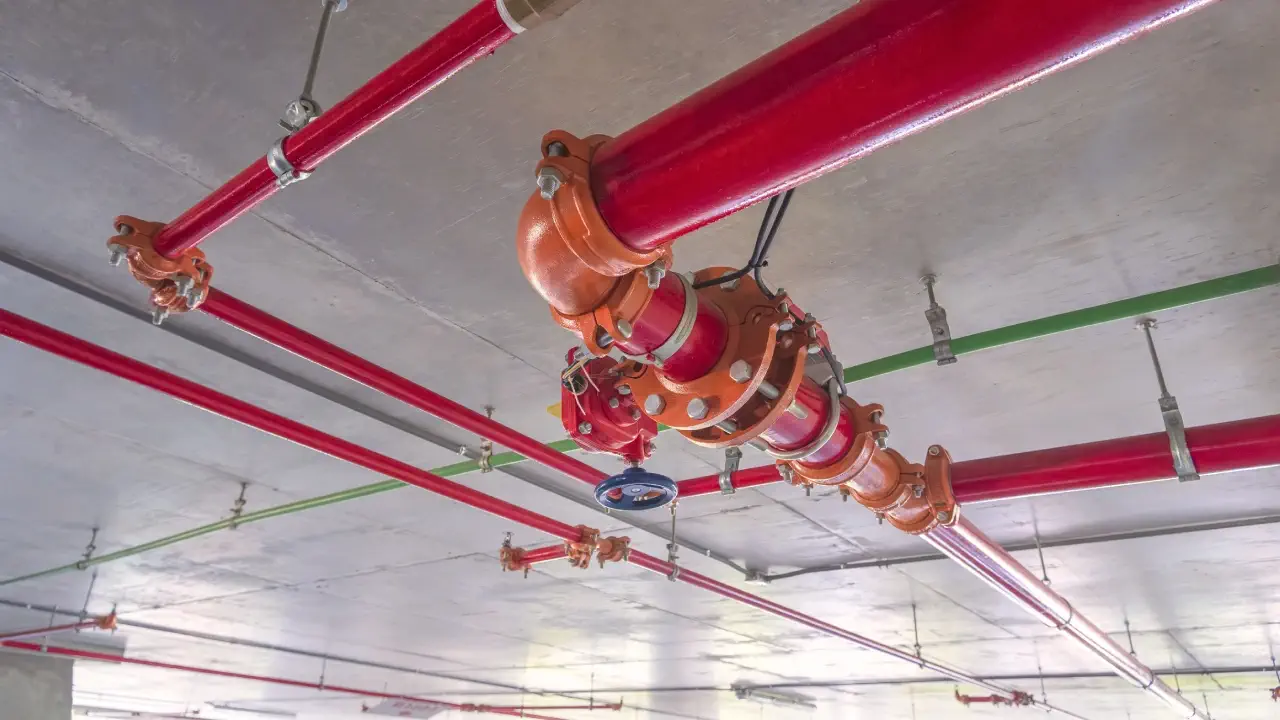
A professional sprinkler installation is a sequence, not a single visit. As your fire sprinkler installer in Toronto, we typically work through these stages:
- Site assessment: We review the building, occupancy, water supply and hazard to define what the system must protect.
- Hydraulic design and drawings: Sealed, code-compliant drawings are prepared so head spacing and pipe sizing meet the required design density.
- Permits: We submit drawings to the authority having jurisdiction and obtain the building permit before any work begins.
- Rough-in: Mains, branch lines and risers are installed and pressure-tested.
- Heads and trim: Sprinkler heads, valves and the alarm connection are fitted.
- Testing and inspection: The system is hydrostatically tested and inspected, then placed in service.
Good to know: Under NFPA 13, sprinkler systems are designed to a specific occupancy hazard classification, which sets the required water density and spacing. That is why two buildings of the same size can need very different systems, and why a sealed design is not optional.
Planning a sprinkler install or retrofit?
Book a Toronto or GTA site assessment and we will design, permit and install a system matched to your building and the Ontario Building Code.
Codes and standards (NFPA 13, CAN/ULC, Ontario Building Code)
Sprinkler work in Ontario sits at the intersection of several standards. The Ontario Building Code determines when a system is required and how it integrates with the building. The design itself generally follows NFPA 13, the recognised standard for the installation of sprinkler systems, while CAN/ULC standards apply to listed components and the connection to fire alarm and monitoring. Once installed, water-based systems are inspected and tested under NFPA 25 on an ongoing basis.
This is why installation and ongoing service should be planned together. A system tied correctly into your fire alarm inspection and testing programme and a clear inspection schedule stays compliant year after year, rather than only on installation day.
What fire sprinkler installation costs
Cost is the question every owner asks, and the honest answer is that it depends. The main drivers are building size, occupancy hazard, whether it is new construction or a retrofit, the system type, and the available water supply. New construction is generally more economical per square foot than a retrofit, because the structure is open and accessible during the build. A retrofit into an occupied or finished building takes more labour to route piping discreetly.
We do not publish a flat rate because a real number requires a real design. After a site assessment we provide a written quote covering design, permits, materials, installation and the final inspection, so there are no surprises later.
Why use one fire protection contractor
A sprinkler system does not work in isolation. It connects to your fire alarm, your monitoring station and, ultimately, your compliance paperwork. Using one contractor for design, installation, inspection and 24/7 monitoring keeps accountability in a single place and avoids the gaps that appear when a sprinkler installer, an alarm company and a monitoring provider each point at the other.
Tovic Fire serves Toronto and the GTA, performs City of Toronto permitted work, and aligns to ULC, NFPA, CSA, TSSA and CFAA standards. When you are ready to scope a project, our fire protection services cover the full lifecycle, and you can request a site assessment to get started.
Frequently asked questions
How much does fire sprinkler installation cost in Toronto?
Cost depends on building size, occupancy, whether it is new construction or a retrofit, and the system type. New construction is generally less expensive per square foot than a retrofit because the structure is open during the build. The most reliable way to know your number is a site assessment and a sealed design, so we provide a written quote after walking the property.
Wet vs dry sprinkler system - which do I need?
A wet-pipe system keeps water in the pipes at all times and suits most heated Toronto buildings. A dry-pipe system holds pressurised air and is used where pipes could freeze, such as parking garages, loading docks and unheated warehouses. The deciding factor is whether any part of the piping is exposed to freezing temperatures, which is confirmed during design.
Do I need a permit to install sprinklers in Toronto?
Yes. Fire sprinkler installation in Toronto is permitted work that typically requires a building permit and sealed, code-compliant drawings reviewed by the local authority having jurisdiction. We prepare the design, handle the City of Toronto permit process and arrange the required inspections before the system is placed in service.
How long does installation take?
Timelines vary with building size and complexity. A small retrofit can take a few days once permits are issued, while a large new build is staged over the construction schedule. Design, permitting and material lead times usually make up a meaningful part of the overall timeline, so we map this out before work begins.