Fire Code Retrofit for Older Toronto Buildings
A fire code retrofit in Toronto means upgrading the life-safety systems in an existing building, the fire alarm, sprinklers, detection and exit lighting, so they meet today's Ontario Fire Code without a full rebuild. Older buildings across the GTA, from Scarborough walk-ups to North York offices, are not permanently grandfathered, and a retrofit fixes the specific gaps that put occupants and owners at risk.
Quick answer: A fire code retrofit brings an aging building's alarm, detection, sprinkler and exit systems up to the current Ontario Fire Code (O. Reg. 213/07). It targets the gaps found in an audit rather than replacing everything, is often required by a fire inspection, renovation or change of use, and can usually be phased over time. In Toronto and the GTA, start with a professional retrofit audit to confirm exactly what your building needs.
What does a retrofit mean under the Fire Code?
Under the Ontario Fire Code, made under the Fire Protection and Prevention Act, a retrofit is the process of bringing an existing building up to a defined minimum life-safety standard. It is different from a brand-new installation because the structure, occupancy and existing systems are already in place. The goal is compliance and occupant safety, not perfection or a rebuild.
Retrofit obligations are commonly triggered by one of three things: a fire inspector's order after an inspection, a renovation that touches life-safety systems, or a change of use, for example converting a warehouse into offices or a house into a multi-unit rental. Any of these can require you to close the gap between what the building has and what the code now expects. If you are unsure whether your property is affected, our Ontario Fire Code compliance checklist is a good starting point.
What are the common gaps in older Toronto buildings?
Buildings put up decades ago were compliant for their era, but codes, materials and monitoring technology have moved on. In older Etobicoke, downtown Toronto and Mississauga stock, we repeatedly find the same weak points during a retrofit audit.
- Fire alarm panels that are obsolete, unsupported, or not connected to a 24/7 monitoring station.
- Missing or inadequate smoke and carbon monoxide detection, especially near sleeping areas and mechanical rooms.
- Emergency and exit lighting that no longer holds its charge for the required duration.
- Exits that are blocked, poorly signed, or do not meet current travel-distance rules.
- Sprinkler and standpipe systems past due for inspection, or with corroded or painted-over heads.
What alarm and detection upgrades are usually needed?
The fire alarm is often the heart of a retrofit. Many older Toronto buildings still run conventional panels that cannot pinpoint which device tripped, which slows response and complicates testing. Upgrading to an addressable panel, or at minimum restoring the existing system to full compliance, is frequently the highest-value step. New or modified fire alarm work must be verified to CAN/ULC-S537, and the system is then inspected and tested annually under CAN/ULC-S536.
Detection is the other half. Ontario's CO-alarm law requires carbon monoxide alarms near sleeping areas in homes with a fuel-burning appliance or an attached garage, and commercial detection needs to match the building's current use. If your panel or detection is dated, our guides on fire alarm installation and fire alarm verification explain how a compliant upgrade is designed, installed and signed off.
What sprinkler and exit improvements are involved?
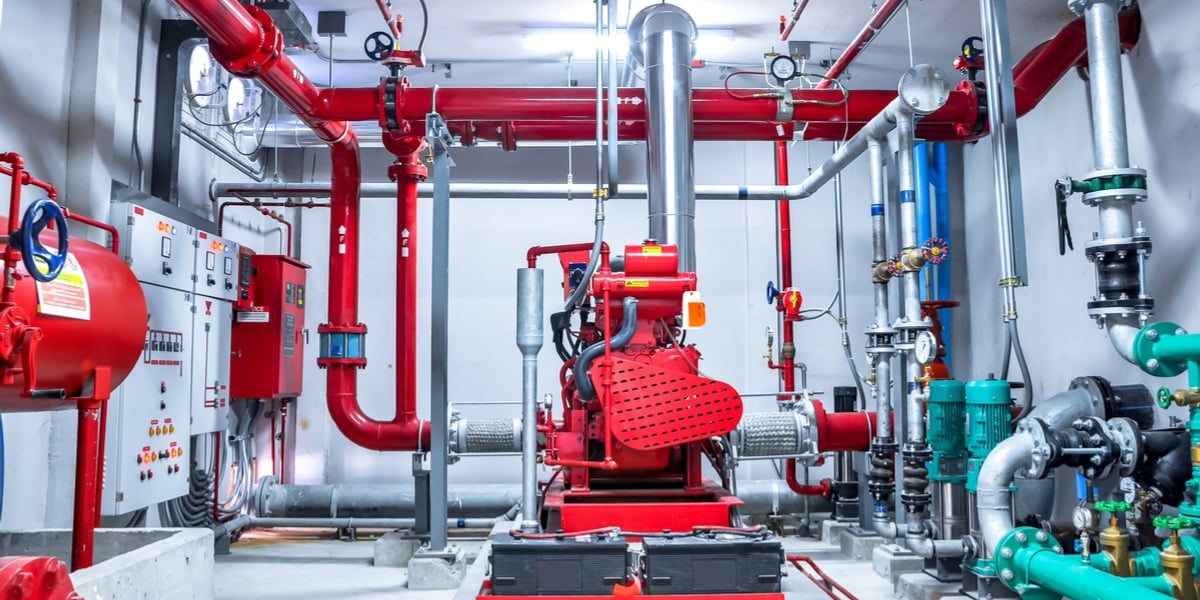
Where sprinklers are present, a retrofit confirms they are correctly designed for the current occupancy and inspected and tested under NFPA 25, the standard for water-based systems including sprinklers, standpipes and fire pumps. In some change-of-use projects, sprinkler coverage has to be extended or added. If your system is aging, review our guidance on sprinkler repair and maintenance and standpipe system inspection.
Exit provisions are equally important and often cheaper to fix. Emergency lighting generally needs a monthly function test and an annual full-duration test, typically 30 minutes, while exit signs must be present, illuminated and unobstructed. Clear, code-compliant egress is one of the most cost-effective safety wins in any older building. See our overview of emergency and exit lighting for the testing detail.
Older building to bring up to code?
Book a retrofit audit and we will map exactly which systems need upgrading and in what order.
How do you phase the work to manage cost?
A full retrofit does not always have to happen at once. Where there is no immediate life-safety hazard, the work can generally be planned in phases and documented with the authority having jurisdiction, which spreads the cost while keeping occupants protected. The sequence below is a typical priority order we use across GTA properties in Vaughan, Markham and Richmond Hill.
| Phase | Typical retrofit focus | Why it comes first |
|---|---|---|
| Phase 1 | Fire alarm restoration & monitoring, smoke and CO detection | Early warning saves lives and is often ordered first by inspectors |
| Phase 2 | Emergency & exit lighting, signage, egress corrections | Ensures safe evacuation, generally lower cost, high impact |
| Phase 3 | Sprinkler, standpipe & fire pump upgrades or extensions | Larger capital items, planned once detection and egress are secure |
| Phase 4 | Documentation, fire safety plan, staff training | Ties the upgraded systems together for ongoing compliance |
Phasing should always be agreed with your fire inspector, and any genuine hazard is corrected immediately regardless of the plan. A retrofit is also the right moment to refresh your fire safety plan so it reflects the building as it now stands.
How do you get a retrofit audit?
The starting point for any fire code retrofit is a professional audit of the whole building. A technician walks every system, checks it against the current Ontario Fire Code and relevant standards, and produces a prioritised report of what must change, what should change, and what can wait. That report becomes your roadmap and your evidence of good faith with the fire department. Many owners combine it with a broader commercial fire inspection to capture everything in one pass.
Tovic Fire serves Toronto and the GTA, aligns to ULC, NFPA, CSA, TSSA and CFAA standards, and performs City of Toronto permitted work. When you are ready to scope a retrofit, request a site assessment or explore our full range of fire protection services and we will build a phased, code-compliant plan around your building.
Frequently asked questions
What is a fire code retrofit?
A fire code retrofit is the work of upgrading an existing building's life-safety systems, such as fire alarm, sprinklers, exit lighting and detection, so they meet current Ontario Fire Code requirements. It targets the specific gaps in an older building rather than rebuilding everything, and is usually driven by an inspection, a change of use, or a renovation.
Do older buildings have to comply with new codes?
Generally yes. The Ontario Fire Code applies to buildings regardless of age, and older structures are not permanently grandfathered. Certain retrofit provisions require existing buildings to be brought up to a defined minimum standard, and renovations, a change of use, or fire-inspector orders can trigger further upgrades.
Can upgrades be phased?
Often, yes. Where there is no immediate life-safety hazard, a fire code retrofit can typically be planned in phases so cost is spread over time. Priority items such as detection, alarm audibility and exit lighting are usually addressed first, with a documented plan agreed with the authority having jurisdiction.
Where do most buildings fall short?
The most common gaps are outdated or unmonitored fire alarm panels, missing or inadequate smoke and CO detection, exit and emergency lighting that fails its duration test, blocked or non-compliant exits, and sprinkler or standpipe systems that are past due for inspection under NFPA 25.