Fire Sprinkler Repair & Maintenance in Toronto
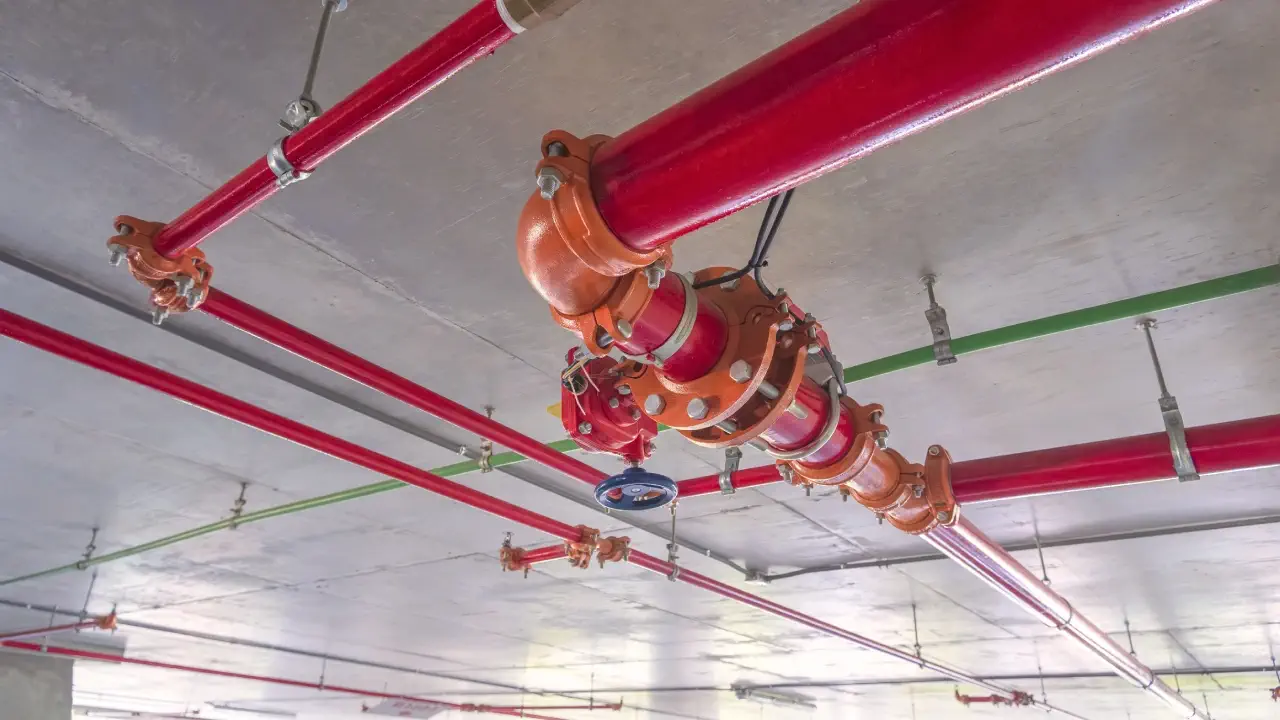
Fire sprinkler repair in Toronto and the GTA covers the leaks, corrosion, frozen pipes and worn-out heads that stop a system doing its job. If yours is dripping, rusting or has an activated head, it needs a licensed technician to isolate the zone, fix the fault and return the system to code before it fails when it matters. Fast, correct repair keeps your building compliant under the Ontario Fire Code and your occupants protected.
Quick answer: Fire sprinkler repair and maintenance means diagnosing and fixing faults in a water-based system, such as leaks, corroded or pinholed pipe, frozen or burst lines, and damaged or activated sprinkler heads, then testing it back to NFPA 25 and Ontario Fire Code standards. In Toronto and the GTA, Tovic Fire responds on an urgent basis, isolates the affected zone, replaces the failed components and restores the system to service.
What are the most common sprinkler problems in GTA buildings?
Across Toronto, Scarborough, North York, Etobicoke, Mississauga and Vaughan, most sprinkler service calls come down to a short list of recurring faults. Knowing which one you have helps you act quickly and avoid water damage.
- Leaks at heads, fittings and joints, often the first visible sign of a deeper corrosion problem.
- Internal corrosion and pitting that thins the pipe wall until a pinhole opens.
- Frozen or burst pipe in unheated garages, attics and loading docks over a Toronto winter.
- Damaged, painted-over or activated sprinkler heads that must be replaced individually.
- Obstructed or blocked heads where storage or renovations block the spray pattern.
- Low or fluctuating pressure that points to a valve, backflow or fire pump issue.
Because sprinklers sit quietly for years, many of these problems only surface during a scheduled NFPA 25 inspection and test. That is exactly why routine inspection and repair go hand in hand.
Why do sprinkler pipes corrode, and what is MIC?
Corrosion is the single biggest cause of sprinkler pipe failure. Steel pipe needs both water and oxygen to rust, and both are present in most systems. In wet-pipe systems, trapped air pockets create the perfect conditions for oxygen corrosion and internal pitting. Dry and pre-action systems are not immune, condensation collects at low points and can corrode aggressively from the inside out.
Microbiologically influenced corrosion, or MIC, is a faster and more destructive form. Bacteria in the water form colonies on the pipe wall and drive localized pinhole leaks, sometimes within a few years of installation. Left unchecked, MIC can honeycomb a pipe until whole sections need replacing. Internal video inspection during NFPA 25 servicing is the reliable way to catch corrosion and MIC early, before a hidden pinhole floods a floor. If your building relies on a backflow preventer or a fire pump, those components deserve the same corrosion attention.
How do you handle frozen and burst pipes?
Toronto winters are hard on sprinkler systems. When water in a pipe freezes it expands, and the resulting pressure can split a fitting or rupture a run of pipe, often in a garage, attic, stairwell or exterior wall. The damage frequently stays hidden until a thaw, when the crack lets go and water pours out.
Our repair approach is to isolate and drain the affected zone, cut out the split section, and replace it with new pipe and fittings rated for the location. Where a run keeps freezing, the better long-term fix is a design change, converting the vulnerable branch to a dry or antifreeze system, adding insulation, or restoring heat tracing. Preventive planning matters here as much as the repair itself, and a pre-winter check is part of a good annual fire inspection.
Can a single sprinkler head be replaced?
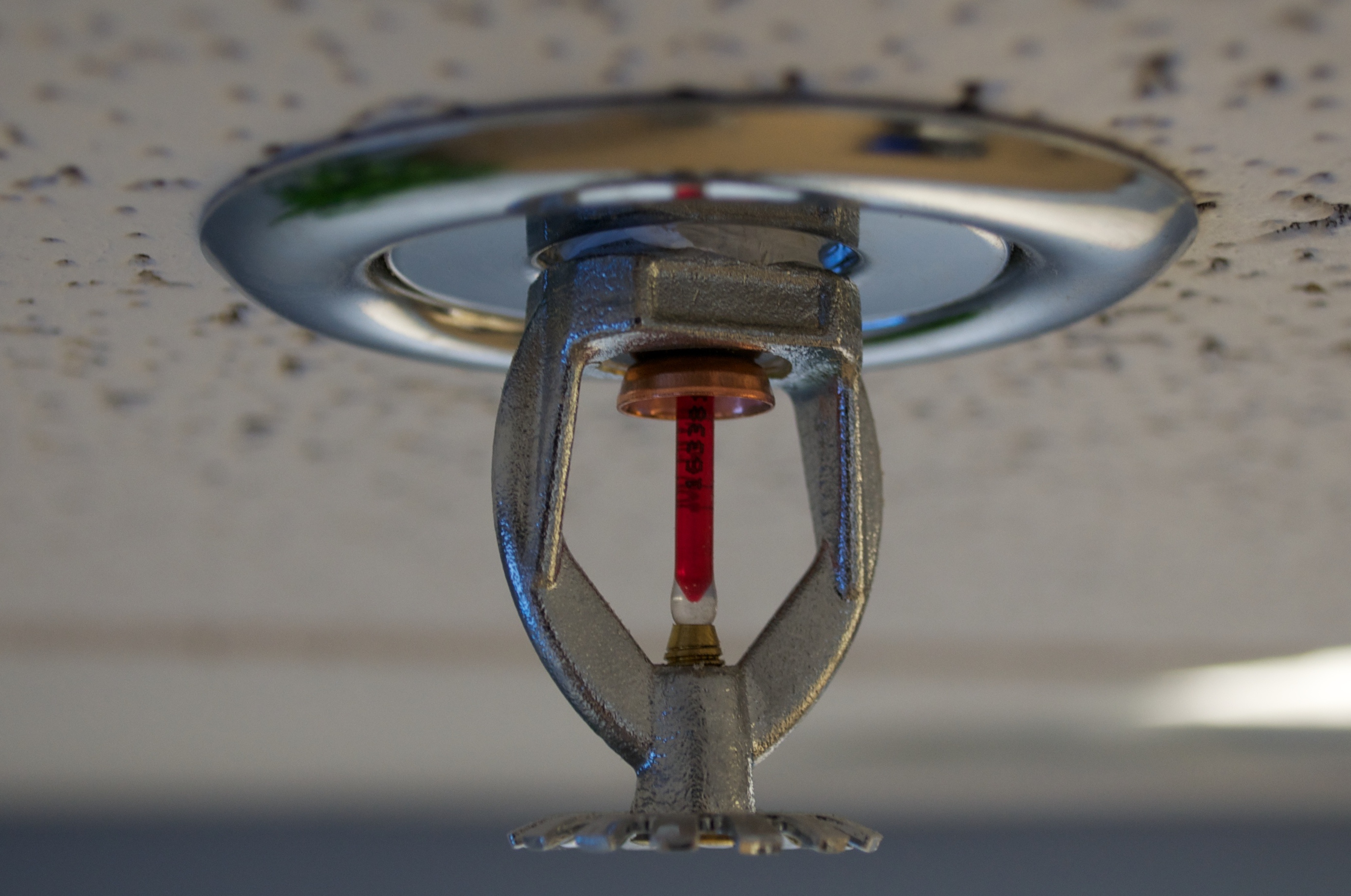
Yes. A sprinkler head that has operated, corroded, loaded up with dust and grease, or been painted over is replaced one at a time with a matching head. The replacement must share the same temperature rating, response type, orifice size and finish as the original, and it is fitted with the proper sprinkler wrench, never pliers, so the frame and deflector are not damaged.
Heads also fail when something blocks the spray. Under the Ontario Fire Code and NFPA 13 design rules, sprinklers generally need a clear zone below them, typically about 18 inches of clearance to stored goods, so water can distribute. If a tenant fit-out, new shelving or a dropped ceiling has obstructed heads, the fix is either relocating the obstruction or adjusting the sprinkler layout. This is a common finding in warehouses across the GTA and in Toronto restaurants after a renovation.
Sprinkler leaking or corroded?
Book a technician to isolate the fault, replace the failed components and return your system to code.
What does a preventive maintenance plan cover?
Repair fixes what has already broken. Preventive maintenance stops the break from happening. A sound plan follows the NFPA 25 schedule for water-based systems and rolls up the small tasks that keep a sprinkler network healthy year-round. The table below shows the typical rhythm.
| Task | Typical interval | Why it matters |
|---|---|---|
| Visual check of gauges, valves and heads | Monthly / quarterly | Catches pressure loss and visible leaks early |
| Main drain and alarm test | Quarterly / annual | Confirms water supply and alarm response |
| Full NFPA 25 inspection and test | Annual | Required for code compliance and insurance |
| Backflow preventer test (CSA B64.10) | Generally annual | Protects the potable water supply |
| Internal pipe / corrosion inspection | Every ~5 years | Detects corrosion and MIC before failure |
| Pre-winter freeze check | Seasonal | Prevents frozen and burst pipe damage |
Exact intervals depend on your system type and occupancy, so treat this as a general guide rather than a fixed rule. For the full picture across every system in your building, see our guide on how often to inspect fire equipment in Ontario and our Ontario Fire Code compliance checklist.
What counts as an emergency sprinkler repair?
Some faults cannot wait for the next scheduled visit. An active leak, a sprinkler head that has operated, a burst pipe, or a system that has lost pressure or tripped a trouble signal is an emergency, because the building may be unprotected or actively taking on water. In those cases the priority is to make the system safe, isolate the affected zone, stop the water and restore protection to the rest of the building as quickly as possible.
Tovic Fire serves Toronto and the wider GTA, including Markham, Richmond Hill and Mississauga, with 24/7 monitoring and urgent response, and our work aligns to ULC, NFPA, CSA and TSSA standards on permitted City of Toronto work. If you are unsure whether your issue is urgent, call 647-377-3517 and we will help you triage it over the phone. For planned upgrades rather than repairs, see our page on fire sprinkler installation in Toronto or reach out through our contact page.
Frequently asked questions
How fast can you repair a leaking sprinkler?
For an active leak we respond on an urgent basis across Toronto and the GTA, isolating the affected zone, draining it and replacing the failed head, fitting or section of pipe. Many single-point leaks are repaired in one visit. A larger corrosion or pipe-failure problem may need a follow-up once parts are sourced, but the system is left safe and, where possible, back in service the same day.
Why do sprinkler pipes corrode?
Corrosion is driven by oxygen and water together. In wet-pipe systems trapped air reacts with steel to form rust and pitting, while dry and pre-action systems can suffer aggressive corrosion where condensation collects at low points. Microbiologically influenced corrosion, or MIC, adds bacteria that accelerate pinhole leaks. Regular internal inspection under NFPA 25 catches it before a pipe fails.
Can a single sprinkler head be replaced?
Yes. A sprinkler head that has operated, corroded, been painted over, or been physically damaged is replaced individually with a matching head of the correct temperature rating, response type and orifice. We keep spare heads and the proper wrench on hand, and the system is refilled and pressure-checked before we leave.
How do I prevent frozen pipes?
Keep heated areas above freezing, insulate pipes in unheated spaces, and convert vulnerable runs such as parking garages, loading docks and attics to a dry or antifreeze system where appropriate. A pre-winter maintenance check confirms heat tracing, low-point drains and dry-system air pressure are all working before the first Toronto cold snap.