Backflow Prevention Testing in the GTA
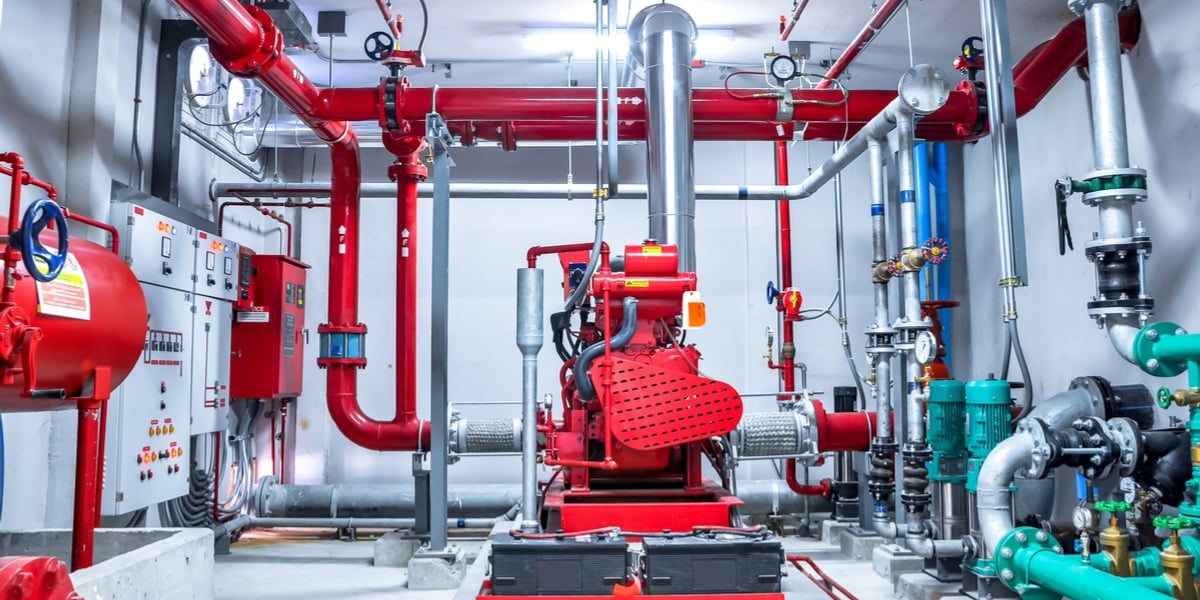
Backflow prevention testing in the GTA is the annual check that confirms the device separating your fire protection or building plumbing from the city drinking-water supply still works. Across Toronto, Mississauga, Vaughan and the rest of the Greater Toronto Area, municipalities require these devices to be tested by a certified tester every year and the results submitted to their cross-connection control program. Skip it, and your building can fall out of compliance, or worse, allow contaminated water back into the clean supply.
Quick answer: Backflow prevention testing is an annual test of the mechanical device that stops non-potable water, such as water sitting in a fire sprinkler system, from flowing back into the municipal drinking-water supply. In the GTA it must be performed by a certified backflow prevention device tester, generally once every 12 months and at installation, following CSA B64.10, with a passing report filed with your municipality's cross-connection control program.
What does a backflow preventer do?
A backflow preventer is a valve assembly installed where your building's water system connects to the municipal main. Its job is to allow water to flow in one direction only, into your building, and to physically block it from flowing back out into the public supply.
This matters most where potable water meets a non-potable system. A fire sprinkler system, for example, holds water that can sit stagnant for months and may contain corrosion, antifreeze in some dry or pre-action setups, or additives. Without a working backflow preventer, a sudden pressure drop in the city main, such as a nearby hydrant use or a water-main break, can siphon that water backward into the drinking supply. The device is the barrier that makes that impossible.
Why is annual testing required across the GTA?
Backflow preventers are mechanical. They have springs, seats, check valves and relief openings that wear, foul with debris, or seize over time. A device that passed last year can fail silently this year with no outward sign, which is exactly why testing is scheduled rather than reactive.
Municipalities across the region, including the City of Toronto, run cross-connection control programs that generally require testing at installation and once every 12 months by a certified tester. The field procedure follows CSA B64.10, the standard for the selection, installation, maintenance and field testing of backflow preventers. For devices tied to your fire system, this dovetails with the broader inspection duties owners carry under the Ontario Fire Code compliance checklist and the annual fire inspection most buildings already schedule.
Which buildings need cross-connection control?
Most commercial, industrial, institutional and multi-residential buildings in the GTA have at least one backflow preventer, and often several. You almost certainly have one if your building includes any of the following:
- A fire sprinkler or standpipe system connected to the domestic water supply
- A boiler, chiller or mechanical heating loop
- Commercial kitchen equipment, ice machines or dishwashers
- Irrigation or lawn-sprinkler lines
- Cooling towers, car washes, or laboratory and medical equipment
Condos, restaurants, warehouses and retrofitted older properties across Scarborough, North York, Etobicoke, Markham and Richmond Hill all commonly fall under cross-connection control. If your building has a fire sprinkler system inspected under NFPA 25, the sprinkler backflow device is part of that life-safety picture and needs its own annual test on record.
What does the testing process involve?
A certified tester isolates the device, attaches a calibrated differential gauge to the test cocks, and measures how the check valves and relief valve respond to pressure. The test confirms the device holds tight against reverse flow and that the relief valve opens at the correct pressure. It usually takes well under an hour per device and briefly interrupts water to the served system, so testing is scheduled at a convenient time.
Here is what a typical backflow testing schedule and workflow looks like for a GTA building.
| Stage | What happens | Typical interval |
|---|---|---|
| Installation test | New or replaced device tested before it goes into service | Once, at install |
| Annual test | Certified field test per CSA B64.10, gauge on test cocks | Every 12 months |
| Report submission | Passing report filed with the municipal cross-connection program | After each test |
| Repair & re-test | Failed device serviced or replaced, then re-tested | As needed |
| Device replacement | Worn assembly swapped when repair is no longer viable | End of service life |
Because the device is often on the same riser as your sprinkler control valves, we frequently combine backflow testing with sprinkler repair and maintenance or a standpipe and hose system inspection in a single visit to keep disruption and cost down.
Need your annual backflow test?
We test, certify and submit backflow devices tied to your fire system so your building stays compliant without the chase.
What if the device fails? Repair and re-test
A failed test is not a compliance emergency in itself, but it does mean the device is not currently protecting the supply, so it has to be corrected promptly. Failures usually come from worn rubber seats, fouled check valves, debris from the main, or a relief valve that no longer opens at the right pressure.
The fix depends on the device. Many assemblies can be rebuilt with a repair kit, cleaned and re-tested the same day. Others, especially older or corroded units, are more economically replaced. Either way, the device must pass a fresh test before it counts as compliant, and the passing report is what gets submitted to the municipality. We handle the diagnosis, the repair or swap, the re-test and the paperwork so it does not fall to your facilities team to coordinate.
How do I book backflow testing?
Booking is straightforward. Tell us your building type, roughly how many devices you have and where they are, and whether they are tied to a fire sprinkler or standpipe system. We schedule a certified tester, perform the CSA B64.10 field test, and submit the results to your municipal cross-connection control program. If anything fails, we quote the repair before proceeding.
Tovic Fire serves Toronto and the wider GTA, aligns to ULC, NFPA, CSA and TSSA requirements, and performs City of Toronto permitted work. If you are also due for sprinkler inspection and testing or a full commercial fire inspection, we can bundle everything into one scheduled visit. Contact our team to set a date.
Frequently asked questions
How often is backflow testing required?
Backflow preventers are generally tested annually. Municipalities across the GTA, including the City of Toronto, typically require testing at installation and once every 12 months by a certified tester, with the report submitted to the local cross-connection control program. CSA B64.10 sets out the field-test procedures used.
Who can test a backflow preventer?
Testing must be performed by a certified backflow prevention device tester using calibrated test equipment. Tovic Fire tests and reports devices tied to fire protection systems across Toronto and the GTA, and coordinates the paperwork your municipality requires.
What is a cross-connection?
A cross-connection is any point where the potable drinking water supply can come into contact with a non-potable source, such as a fire sprinkler system, boiler, or irrigation line. If pressure drops, contaminated water can be siphoned back into the clean supply. A backflow preventer is the mechanical barrier that stops this.
What happens if my device fails?
If a device fails its test, it must be repaired or replaced and then re-tested before it is considered compliant. We identify the failed component, service or swap the device, and submit a passing report so your building stays protected and on record with the municipality.