Standpipe & Hose System Inspection & Testing in Toronto
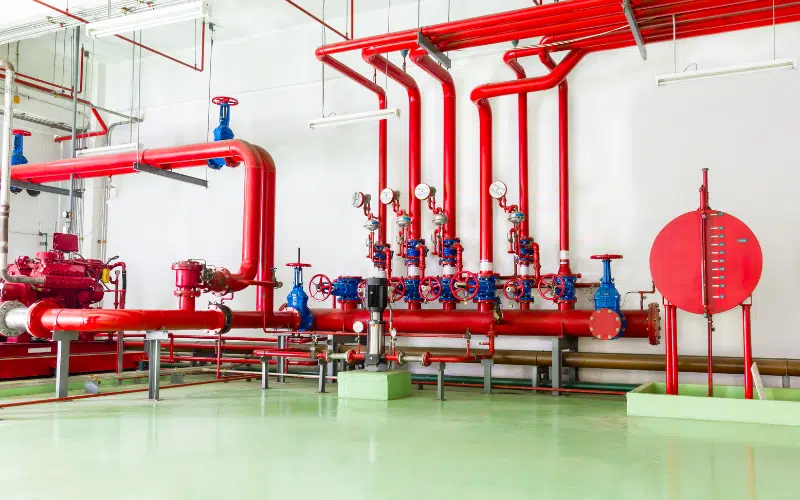
A standpipe inspection in Toronto keeps the network of vertical pipes and hose outlets in your high-rise ready to deliver water to firefighters on any floor. Under NFPA 25 and the Ontario Fire Code, standpipe and hose systems need routine visual checks, an annual test, and a full flow test roughly every five years so the water supply is proven, not assumed. This guide explains the intervals, the deficiencies inspectors find, and how to book standpipe testing across Toronto and the GTA.
Quick answer: A standpipe system in a Toronto high-rise should get visual inspections through the year, an annual inspection and test of valves and components under NFPA 25, and a full flow test of each standpipe generally every five years. Hose cabinets, valves and pressure-regulating devices are checked on the same schedule. The Ontario Fire Code requires these systems to be maintained in operating condition for the life of the building.
What is a standpipe system?
A standpipe system is a network of pipes, valves and hose connections built into a building so that firefighters can connect a hose on any floor instead of dragging line up from a truck at street level. Water is fed into the system through a fire department connection (the Siamese fitting on the exterior wall) and rises through one or more vertical risers to hose valve outlets in stairwells and corridors.
Standpipes come in three broad classes. Class I serves 65 mm (2.5 inch) outlets for the fire department. Class II serves 38 mm (1.5 inch) hose stations intended for occupant or trained-staff use. Class III combines both. Many buildings run a combined sprinkler and standpipe system fed by the same risers and often a fire pump, which is why standpipe testing is closely tied to sprinkler and pump maintenance.
Why do high-rises need them?
In a tall building, a fire on the twentieth floor is far beyond the reach of hose run from a pumper at the curb. The standpipe solves that problem by pre-positioning a charged water supply throughout the structure. That is why standpipes are a cornerstone of high-rise fire protection and are generally required by the Ontario Building Code in taller and larger buildings across Toronto, North York, Scarborough, Etobicoke, Mississauga, Vaughan and beyond.
The catch is that a standpipe only helps if it actually delivers water at usable pressure when a hose is connected on the worst-case floor. Corroded piping, a seized valve, a stuck pressure-regulating device or a closed control valve can quietly defeat the system. Inspection and flow testing exist to prove the system still performs to its original design, which ties directly into your building's fire safety plan.
Inspection and flow-test intervals
Water-based fire protection systems, including standpipes, are inspected and tested under NFPA 25, and the Ontario Fire Code (O. Reg. 213/07) requires the results to be maintained. The exact tasks are split across visual inspections, functional tests and flow tests. The table below summarizes the typical NFPA 25 rhythm. Treat it as a general guide; your specific schedule depends on system type and the authority having jurisdiction.
| Task | Typical interval | What it confirms |
|---|---|---|
| Visual inspection of control valves, gauges, cabinets | Monthly to quarterly | Valves open and sealed, no leaks, cabinets clear |
| Hose, nozzle and hose connection inspection | Annual | Threads, gaskets, caps and signage intact |
| Pressure-regulating device test | Annual (partial) / 5-year (full flow) | Outlet pressures within design limits |
| Main drain test | Annual | Water supply and control valves are open |
| Full standpipe flow test | Generally every 5 years | Required pressure and flow at the top outlet |
| Hydrostatic test (new or modified piping) | At install / modification | Piping holds pressure without leaking |
Because these intervals overlap with sprinkler and pump work, many owners bundle standpipe testing with NFPA 25 sprinkler inspection and their annual fire inspection to save on visits and get one consolidated report.
Hose cabinets, valves and pressure
The hose cabinet is the visible part of the system, and it is where a lot of deficiencies hide. Inspectors confirm each cabinet is unobstructed, glass or doors open freely, and any hose, nozzle and gaskets are present and serviceable. Hose valves are checked for leaks, corrosion and smooth operation, and caps and chains on 65 mm outlets are verified so firefighters can connect without a fight.
- Fire department connection (Siamese) caps, gaskets, clappers and clear signage.
- Hose valve outlets in stairwells, verified open, capped and leak-free.
- Pressure-regulating valves set so high-floor and low-floor outlets stay within safe pressure limits.
- Control valves confirmed open and supervised, whether locked, sealed or electronically monitored.
Pressure matters in both directions. In a tall Toronto tower, outlets on lower floors can see dangerously high pressure while upper floors risk too little. Pressure-regulating devices manage that, and their annual check plus periodic full-flow verification is a core part of standpipe testing.
Common deficiencies we find
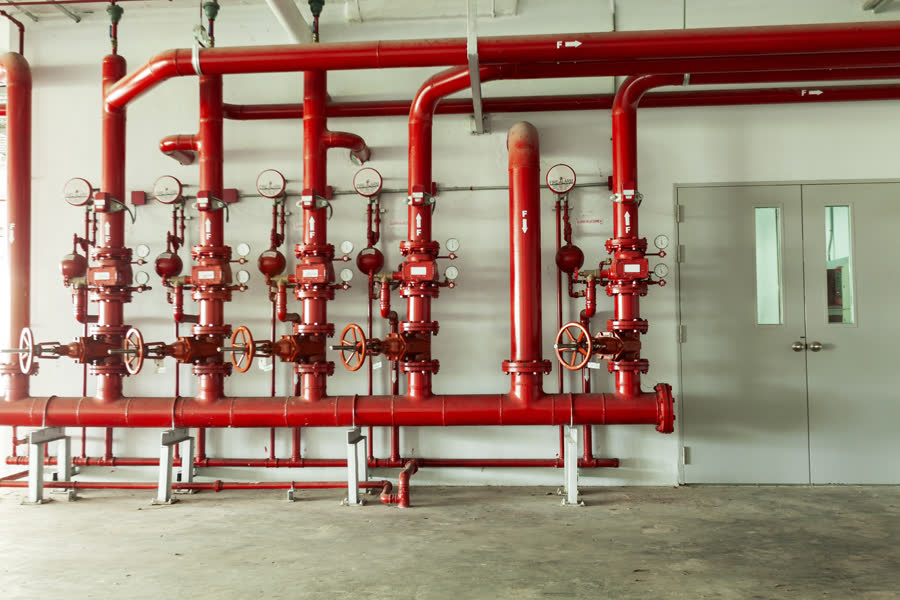
When our technicians inspect standpipes across the GTA, a handful of issues come up again and again. Catching them during a scheduled inspection is far cheaper than discovering them during a fire or a fire department test.
- Partially closed or unsupervised control valves that throttle the water supply.
- Missing caps, gaskets or damaged threads on hose valve outlets.
- Pressure-regulating devices drifting out of their set range.
- Obstructed or locked hose cabinets and blocked fire department connections.
- Corrosion, low air pressure on dry standpipes, or leaking risers.
High-rise standpipe due for testing?
Book a technician to inspect, flow-test and certify your standpipe and hose system on schedule.
Booking standpipe testing in Toronto
A proper standpipe program starts with knowing what you have: the number of risers, the system class, whether it is wet or dry, and how it ties into your sprinklers and fire pump. From there our team sets a schedule that aligns to NFPA 25, coordinates any flow test that needs building access and water discharge, and documents everything for the fire department and your records.
Tovic Fire serves Toronto and the surrounding GTA, including Scarborough, North York, Etobicoke, Markham, Richmond Hill, Vaughan and Mississauga. We align our work to ULC, NFPA, CSA and TSSA standards and perform City of Toronto permitted work. If testing uncovers issues that call for sprinkler and riser repair, or you want to combine the visit with commercial fire inspection or condo fire protection, we can handle it under one contract. Reach out through our contact page or call the number below to get on the schedule.
Frequently asked questions
How often are standpipes tested?
Under NFPA 25, standpipe systems get routine visual inspections through the year, an annual inspection and test of components, and a full flow test of each standpipe generally every five years. In practice most Toronto buildings run monthly and quarterly visual checks plus the annual test as part of their fire protection program.
What is a hydrostatic flow test?
A flow test verifies that each standpipe can deliver the required pressure and flow at the topmost or most remote hose outlet. Water is flowed from a roof or high-floor outlet while pressure and flow are measured and compared to the system design. Under NFPA 25 this is typically performed every five years. A hydrostatic test, done on newer or modified piping, pressurizes the system to confirm it holds without leaking.
Do hose cabinets need inspection?
Yes. Hose cabinets, hose valves, caps, gaskets and any hose or nozzle are inspected on the same NFPA 25 schedule as the standpipe. Inspectors confirm cabinets are unobstructed, valves are not leaking or seized, caps and threads are intact, and signage is visible so firefighters can connect quickly.
Which buildings need standpipes?
Standpipes are generally required by the Ontario Building Code in taller and larger buildings, including most high-rise residential and commercial towers, where firefighters cannot easily run hose from the street. Once installed, the Ontario Fire Code requires the system to be inspected, tested and maintained for the life of the building.