Fire Safety Plan Requirements in Toronto
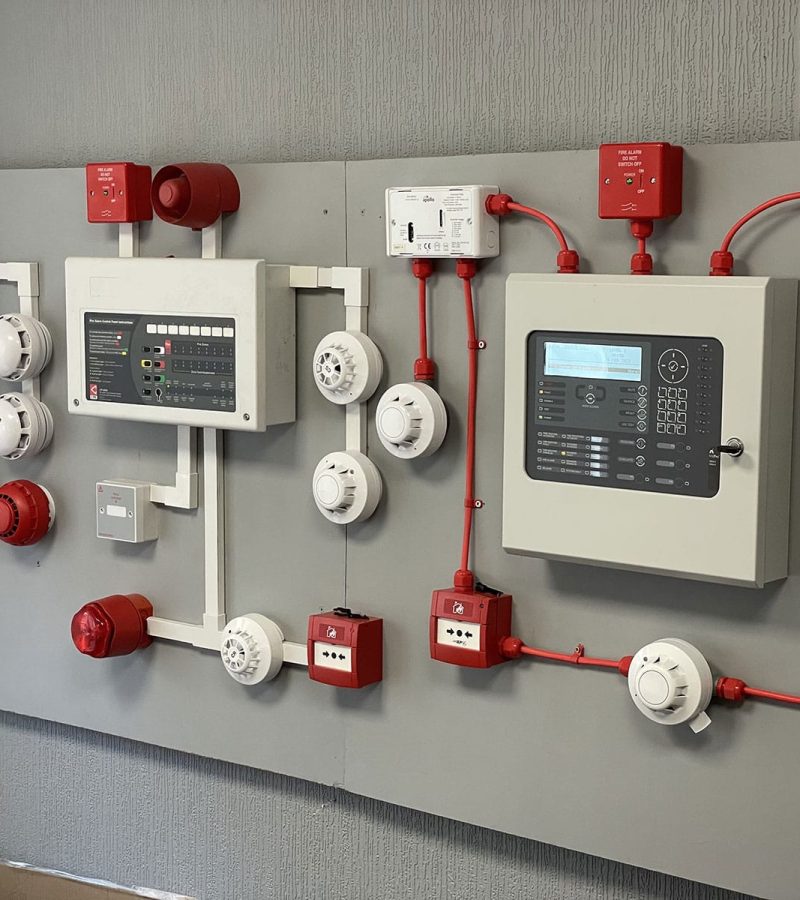
A fire safety plan is a written, fire-department-approved document that sets out how your Toronto building protects people in a fire. Under the Ontario Fire Code, most commercial and multi-unit residential buildings across the GTA must have one, keep it on site, and follow the drills and maintenance schedules it describes. This guide explains when you need a plan, what it must contain, and how it gets approved.
Quick answer: In Toronto, a fire safety plan is required under the Ontario Fire Code (O. Reg. 213/07) for most non-residential buildings and multi-unit residential buildings, and for any building where the code calls for one based on its occupancy or fire safety systems. The plan documents emergency procedures, staff duties, drills and building fire safety features, and it must be submitted to and approved by Toronto Fire Services before it is kept on site and put into practice.
What is a fire safety plan?
A fire safety plan is the operating manual for life safety in your building. It tells occupants what to do when the alarm sounds, tells staff what their responsibilities are, and records how the building's fire protection systems are tested and maintained. It is required and governed by the Ontario Fire Code (O. Reg. 213/07) under the Fire Protection and Prevention Act.
The plan is not a one-time document. It has to reflect the building as it actually is today, so it needs updating whenever occupancy, layout, or fire safety systems change. A plan that sits in a drawer and no longer matches the building is not compliant, and it will not help occupants in a real emergency.
Which buildings need one?
The Ontario Fire Code requires a fire safety plan for a wide range of buildings. In practice, if your building in Toronto, Scarborough, North York, Etobicoke, Mississauga, Vaughan, Markham or Richmond Hill falls into one of the categories below, you almost certainly need an approved plan:
- Apartment and condominium buildings above a certain size, and other multi-unit residential buildings.
- Offices, retail stores, restaurants and other assembly occupancies.
- Warehouses, industrial and manufacturing buildings.
- Care and treatment facilities, schools and daycares.
- Any building equipped with a fire alarm system, or where the code requires supervisory staff or specific fire safety measures.
If you are not sure where your building lands, Toronto Fire Services can confirm, and so can a fire protection contractor. Many owners discover the requirement during a commercial fire inspection or when working through an Ontario Fire Code compliance checklist for their property.
What must the plan contain?
Toronto uses a standardised fire safety plan format, and the Ontario Fire Code sets out the elements every plan must cover. A complete plan generally includes the following.
| Section | What it covers |
|---|---|
| Building information | Address, occupancy, construction and a summary of fire safety features. |
| Responsible person | Names the owner or designate responsible for fire safety and supervisory staff. |
| Emergency procedures | Step-by-step actions for occupants and staff when the alarm sounds or a fire is discovered. |
| Evacuation and assistance | Exit routes and procedures to assist people who need help evacuating. |
| Fire drills | Frequency and conduct of drills for the occupancy. |
| Maintenance schedules | Inspection and testing intervals for alarms, sprinklers, extinguishers and emergency lighting. |
| Floor plans and diagrams | Layouts showing exits, alarm devices, extinguishers and shut-off locations. |
The maintenance section ties directly to your equipment schedules, such as annual fire alarm inspection and testing under CAN/ULC-S536, monthly and annual checks on emergency and exit lighting, and portable fire extinguisher service and inspection under NFPA 10. A good plan makes those obligations visible so nothing is missed.

How is it approved by the fire department?
A fire safety plan is not valid until it is approved. In Toronto, the completed plan is submitted to Toronto Fire Services, and the Chief Fire Official, generally through the Fire Prevention division for your area, reviews it for compliance with the Ontario Fire Code. Once approved, a copy must be kept on site and made available to staff and inspectors.
If the reviewer finds gaps, such as missing procedures, outdated diagrams or incorrect equipment schedules, the plan comes back for revision. This is where accurate, up-to-date content matters, and where working with a contractor who knows City of Toronto permitted work and the local process saves time.
Need a fire safety plan?
We prepare and update Ontario Fire Code fire safety plans that are ready for Toronto Fire Services approval.
Fire drills and staff training
An approved plan only works if people know it. The Ontario Fire Code requires fire drills to be held on a schedule set out in the plan, and that schedule depends on the occupancy. Many buildings run drills at least annually, while higher-risk uses such as schools, care facilities and some assembly occupancies require more frequent drills. The plan should also record who is trained, what supervisory staff do, and how records are kept.
Regular training keeps the plan realistic. Staff turnover, renovations and new equipment all change how a building behaves in an emergency, so review the plan at least once a year and after any significant change. If your building relies on 24/7 monitored detection, tie your drill and training records to your annual fire inspection so everything is documented in one place.
Get help with your plan
Tovic Fire Protection Services prepares, reviews and updates fire safety plans for buildings across Toronto and the GTA, and aligns them with the ULC, NFPA, CSA and TSSA requirements that govern your equipment. Whether you are opening a new location, taking over an older property that needs a fire code retrofit, or your existing plan is out of date, we can build a plan that reflects your building and is ready for fire department review. Reach out through our contact page or explore our full range of fire protection services.
Frequently asked questions
Do I need a fire safety plan?
Most non-residential and multi-unit residential buildings in Toronto need an approved fire safety plan under the Ontario Fire Code. This generally includes apartment and condo buildings, offices, retail, restaurants, warehouses and any building with a fire alarm system or where the code requires supervisory staff. If you are unsure, Toronto Fire Services or a fire protection contractor can confirm based on your building's occupancy and features.
What goes in a fire safety plan?
A fire safety plan documents the building's fire safety features, the duties of supervisory staff, emergency procedures for occupants, fire drill and maintenance schedules, and floor plans showing exits, alarms and equipment. It names the person responsible for fire safety and explains what everyone does when the alarm sounds. Toronto uses a standard fire safety plan format that captures these elements.
Who approves it?
In Toronto, the fire safety plan is submitted to and approved by Toronto Fire Services, typically the Fire Prevention division that serves your area. The Chief Fire Official reviews the plan for compliance with the Ontario Fire Code before it is considered approved and kept on site.
How often are fire drills required?
Fire drill frequency is set in the approved fire safety plan and varies by occupancy. Under the Ontario Fire Code, drills in many occupancies are held at least annually, while higher-risk uses such as schools, care facilities and some assembly buildings require more frequent drills. Always follow the schedule written into your approved plan.