Fire Extinguisher Inspection, Service & Recharge in Toronto
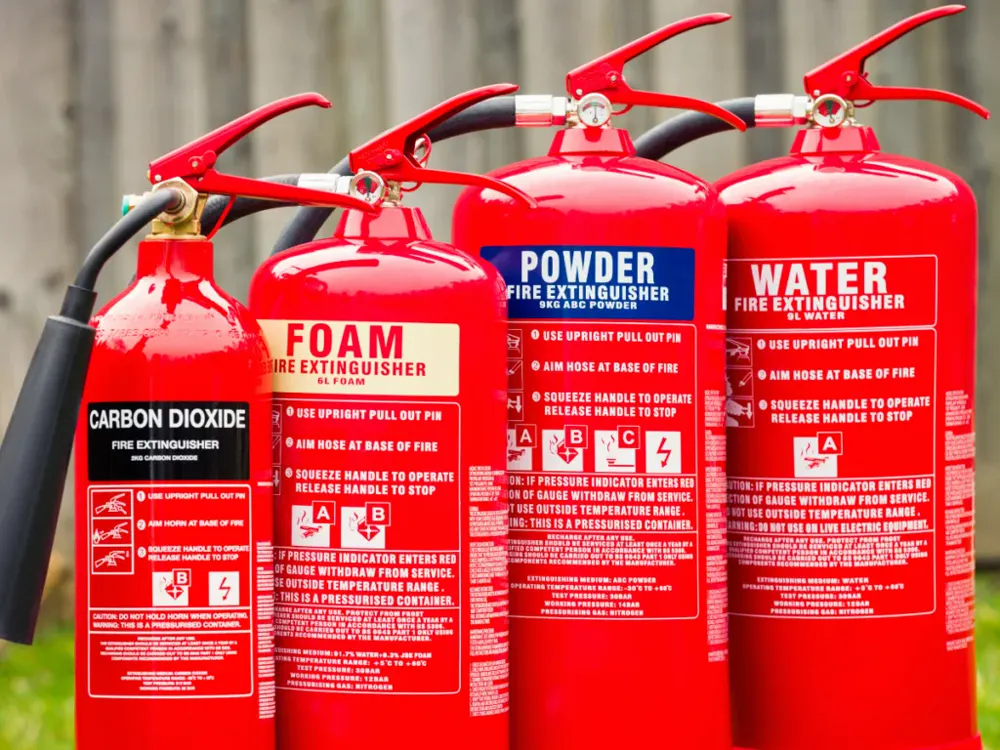
A fire extinguisher only protects your building if it works the moment you grab it. That is why a fire extinguisher inspection in Toronto is not a one-time task but a routine, year-round responsibility for every business, landlord and property manager across the GTA. Tovic Fire services every class of portable extinguisher to NFPA 10 and the Ontario Fire Code, from a single unit in a Scarborough shop to hundreds across a Mississauga warehouse.
Quick answer: Under the Ontario Fire Code, portable fire extinguishers in Toronto must be visually inspected every month and professionally maintained at least once a year to NFPA 10. Beyond that, many stored-pressure dry chemical units need an internal examination at about 6 years and a hydrostatic pressure test at about 12 years, with recharging whenever a unit is used or loses pressure. Each extinguisher must carry a service tag documenting these dates so a fire inspector can confirm compliance.
Below we walk through the difference between monthly and annual checks, what a professional service actually covers, the recharge and hydrostatic schedule, and how inspection tags keep you ready for a fire inspector. If you would rather skip straight to booking, request a site assessment and we will handle the rest.
Monthly vs annual fire extinguisher inspections
Two different things happen on two different schedules, and confusing them is the most common compliance gap we find. The monthly inspection is a quick visual check you or a staff member can perform. The annual maintenance is a deeper procedure carried out by a trained technician.
- Monthly inspection: confirm the extinguisher is in its designated spot, unobstructed, fully charged on the gauge, with the pin and tamper seal intact and no visible corrosion or damage.
- Annual maintenance: a hands-on examination of internal and external components, weight and charge verification, hose and nozzle check, and a fresh service tag, performed by a qualified servicer.
Under the Ontario Fire Code, portable extinguishers are required to be inspected monthly and maintained at least annually. Skipping either one is exactly the kind of finding that turns up during your annual fire inspection in Toronto.
What a professional inspection covers
When a Tovic technician services your extinguishers, the work goes well beyond a glance at the gauge. A proper fire extinguisher service in Toronto follows the maintenance procedures set out in NFPA 10 and the manufacturer's instructions.
- Verify the unit type and rating suit the hazard and location.
- Check pressure, weigh the cylinder, and confirm the gauge reads in the operable range.
- Inspect the hose, nozzle, handle, lever, pin and tamper seal for wear or damage.
- Examine the shell for dents, corrosion or abrasion that could compromise it.
- Confirm mounting, signage and accessibility meet code.
- Update the service tag with the date, technician and next-due milestones.
Code note: NFPA 10, the standard for portable fire extinguishers, calls for a quick visual inspection at least monthly and full maintenance at least annually. The same standard sets the internal examination and hydrostatic intervals that govern when a unit must be opened, recharged or retired.
Recharging, hydrostatic testing and the 6-year service
Extinguishers are pressure vessels, and they age. A fire extinguisher recharge is required any time a unit has been used, has lost pressure, or fails maintenance. Recharging refills the agent and re-pressurises the cylinder so it is ready for the next emergency.
On top of that, NFPA 10 sets longer-interval requirements. For many stored-pressure dry chemical extinguishers, an internal examination is generally required at about six years, and a hydrostatic test, which pressure-tests the shell for integrity, is typically required at about twelve years. Intervals vary by extinguisher type and agent, so the safe approach is to let your service tag and technician track the exact dates for each unit.
| Service interval | What it involves | Who performs it |
|---|---|---|
| Monthly quick-check | Visual inspection confirming the extinguisher is in place, accessible, fully charged on the gauge, with pin and tamper seal intact and no visible damage or corrosion. | Owner or staff member |
| Annual maintenance | Thorough hands-on examination of internal and external parts, charge and weight verification, hose and nozzle check, and a fresh service tag under NFPA 10 and the Ontario Fire Code. | Qualified technician |
| Internal examination (~6 years) | For many stored-pressure dry chemical units, the extinguisher is emptied, the interior examined, and the unit recharged and re-pressurised. Actual interval depends on the extinguisher type and agent. | Qualified technician |
| Hydrostatic test (~12 years) | The cylinder is pressure-tested for shell integrity. Typical for many stored-pressure dry chemical extinguishers; other types and agents follow their own NFPA 10 intervals. | Certified test facility |
Extinguisher types we service
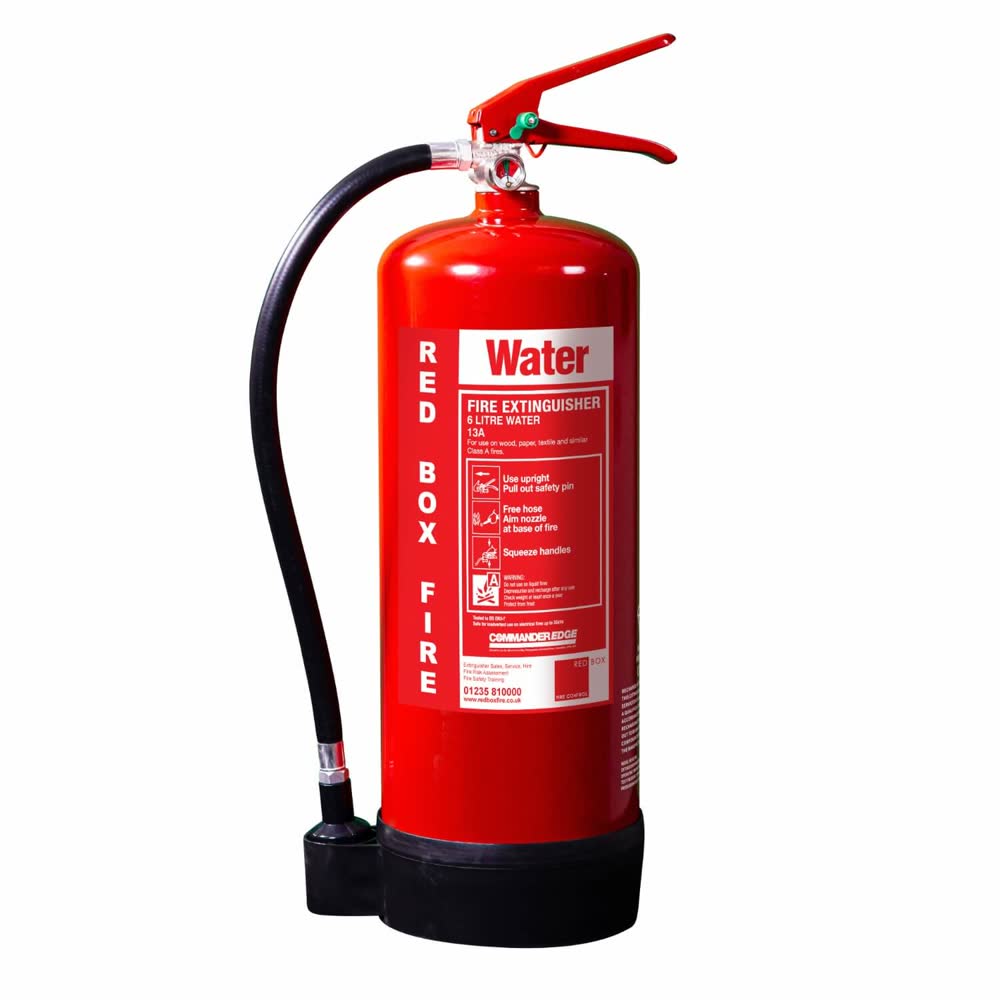
Different hazards need different agents, and each class has its own service profile. We inspect, recharge and test every common type used across Toronto, North York, Etobicoke and Vaughan businesses.
- ABC dry chemical: the multipurpose workhorse for offices, retail and general use.
- CO2: clean agent favoured around electrical equipment and server rooms.
- Water and water-mist: for ordinary combustibles where a clean knockdown matters.
- Class K wet chemical: required behind commercial cooking equipment and fryers.
Not sure which units belong where in your building? Our guide to fire extinguisher types explained breaks down the classes, and our team can spec the right mix during a walkthrough.
Due for your annual extinguisher service?
Book a quick site assessment and we will inspect, tag and recharge every extinguisher in your Toronto or GTA building so you stay code-compliant.
Inspection tags and record-keeping in Ontario
Documentation is half of compliance. Every extinguisher should carry a durable tag recording its monthly inspection and annual maintenance history, the date of service and the servicer. When a fire inspector visits, those inspection tags are the fastest way to prove your equipment has been maintained.
The Ontario Fire Code requires records of inspection and maintenance to be kept and available on request. We log every unit, leave a clear tag on each one, and provide a report you can file. For a wider view of what stays on schedule, see our guide to how often to inspect fire equipment in Ontario.
Booking extinguisher service in the GTA
Tovic Fire serves Toronto and the entire Greater Toronto Area, including Scarborough, North York, Etobicoke, Mississauga, Vaughan and Markham. Whether you have one extinguisher or a portfolio of sites, we schedule the work, service each unit to NFPA 10, and keep your tags and records current. You can see the full scope on our services page, or reach out directly to set a date.
Extinguishers are one piece of a complete system. Most clients have us handle their detection, suppression and lighting on the same visit, which keeps everything aligned for a single, clean compliance record.
Frequently asked questions
How often do fire extinguishers need to be inspected?
Under the Ontario Fire Code, portable fire extinguishers must be inspected monthly and receive maintenance at least once a year. The monthly inspection is a quick visual check that the unit is in place, charged and undamaged, while the annual maintenance is a more thorough examination performed by a trained technician following NFPA 10.
What is the difference between inspection and maintenance?
An inspection is a quick visual check, typically done monthly, confirming the extinguisher is present, accessible, charged and free of obvious damage. Maintenance is a deeper annual procedure where a technician examines internal and external parts, verifies the charge and gauge, and replaces worn components, then documents the work on the service tag.
How long do fire extinguishers last?
Most stored-pressure extinguishers can last many years with proper service, but they are not permanent. Under NFPA 10, many stored-pressure dry chemical units require an internal examination at about six years and a hydrostatic test at about twelve years. If a unit is corroded, has been discharged, or fails any test, it should be recharged or replaced.
Do I need monthly inspection tags?
Yes. Each extinguisher should carry a durable tag or label recording inspection and maintenance dates and the servicer. The Ontario Fire Code requires records of monthly inspections and annual maintenance to be kept and made available, so a clear, up-to-date tag is the simplest way to show a fire inspector your equipment is compliant.