Fire Sprinkler Inspection & Testing in Toronto (NFPA 25)
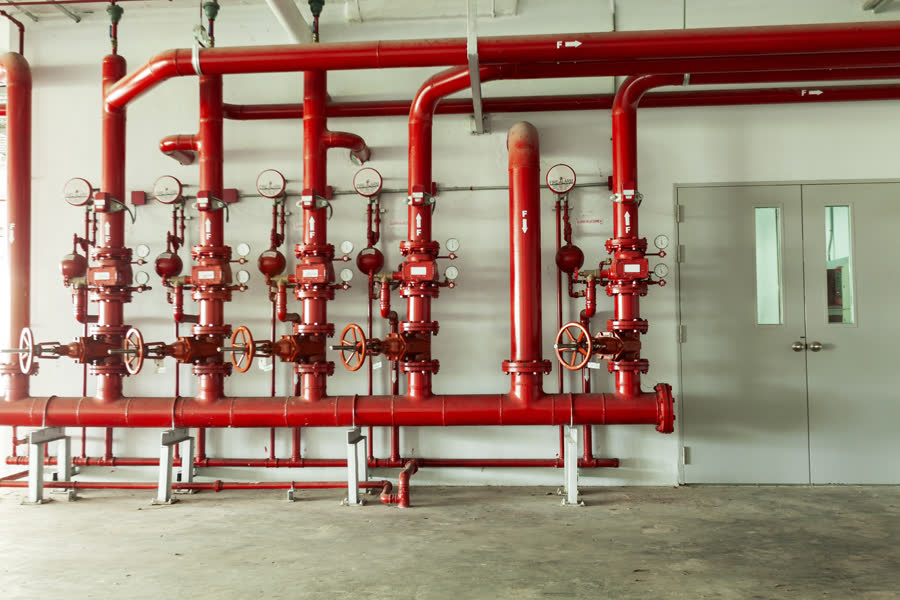
Fire sprinkler inspection in Toronto is required by law, and it follows a fixed schedule under NFPA 25. Buildings across the GTA must have their water-based systems inspected and tested at set intervals, from quick weekly gauge checks to a full annual inspection and multi-year internal exams, to prove the system will work in a fire. Tovic Fire handles that schedule end to end for owners and property managers.
Quick answer: Fire sprinklers in Toronto and the GTA must be inspected and tested to NFPA 25, which the Ontario Fire Code references for water-based systems. That means weekly or monthly checks of gauges and valves, quarterly checks of alarm devices, a full annual inspection and flow test, plus longer-interval tests such as the 5-year internal pipe examination. Each inspection is documented in a written report you keep on site for the fire department.
Why is sprinkler inspection required in Ontario?
A fire sprinkler system can sit untouched for years, so the only way to know it will operate is to inspect and test it on a schedule. Under the Ontario Fire Code (O. Reg. 213/07), made under the Fire Protection and Prevention Act, building owners must maintain water-based fire protection systems in operating condition, and the Code references NFPA 25 for how that maintenance is carried out.
Skipping inspections is not just a code violation. A stuck valve, a corroded pipe or a drained system can mean sprinklers that never activate when they are needed most. Regular inspection protects occupants, protects your building, and gives you the documentation a Toronto fire inspector or your insurer will ask to see. It also pairs naturally with your annual fire inspection so every life-safety system is verified together.
What does NFPA 25 cover?
NFPA 25 is the Standard for the Inspection, Testing, and Maintenance of Water-Based Fire Protection Systems. It is the rulebook technicians follow, and it applies to more than just sprinkler heads. A single standard governs the reliability of every water-fed part of your fire protection.
- Sprinkler systems, including wet-pipe, dry-pipe and pre-action
- Standpipe and hose systems used by firefighters
- Fire pumps that boost water pressure in taller buildings
- Control valves, gauges, alarm devices and the main drain
- Water supplies and, where fitted, private hydrants
NFPA 25 also connects to backflow prevention testing on the supply side, which in Ontario is generally an annual test under CSA B64.10. Tovic Fire aligns its work to ULC, NFPA and CSA practice across all of these systems.
What is the sprinkler inspection schedule (weekly to 5-year)?
NFPA 25 sets different frequencies for different tasks. Some are quick visual checks a trained person can do; others are full tests a qualified technician performs. The table below summarises the common intervals for a typical wet-pipe system. Actual frequencies depend on your system type and components, so treat this as a general guide.
| Interval | Typical task | What it confirms |
|---|---|---|
| Weekly / Monthly | Visual check of gauges, control valves and system pressure | System is charged and valves are open |
| Quarterly | Test waterflow alarm devices, supervisory signals and check hydraulic nameplate | Alarms and monitoring respond |
| Annually | Full inspection, main drain test, and check of heads, pipe, hangers and signage | System condition and water supply |
| Every 5 years | Internal examination of piping for obstruction and corrosion; gauge check | No internal blockage or scale |
| As required | Sprinkler head testing/replacement (age and type dependent) | Heads still meet standard |
If you want the full picture across every system in your building, our guide on how often to inspect fire equipment in Ontario lays out sprinkler, alarm, extinguisher and lighting intervals side by side.
What do we check, and what are the common deficiencies?
During an annual inspection a Tovic Fire technician walks the whole system, from the riser to the furthest head. We verify control valves are open and sealed, run a main drain test to confirm the water supply, check gauges against expected pressure, and inspect heads and piping for damage or corrosion. We also confirm that alarm and supervisory signals reach your monitoring station.
The most common deficiencies we find across Toronto, Scarborough, North York and Mississauga buildings are straightforward once you know to look for them:
- Painted or corroded sprinkler heads that will not operate correctly
- Stored goods stacked too close to heads, blocking the spray pattern
- Closed or partially closed control valves left after other work
- Corroded or stuck gauges reading the wrong pressure
- Missing spare heads and wrench, or an out-of-date hydraulic nameplate
Anything we find goes on the report with a recommended fix. Many items are corrected on the spot; larger repairs are quoted through our sprinkler repair and maintenance service.
Wet, dry and pre-action: what is the difference?
Not every sprinkler system is inspected the same way, because the design changes what can go wrong. Knowing which type you have helps you understand your report.
- Wet-pipe: pipes are always full of water, so a head opens and flows immediately. Most common in heated buildings across Toronto and Etobicoke. Inspection focuses on pressure, valves and heads.
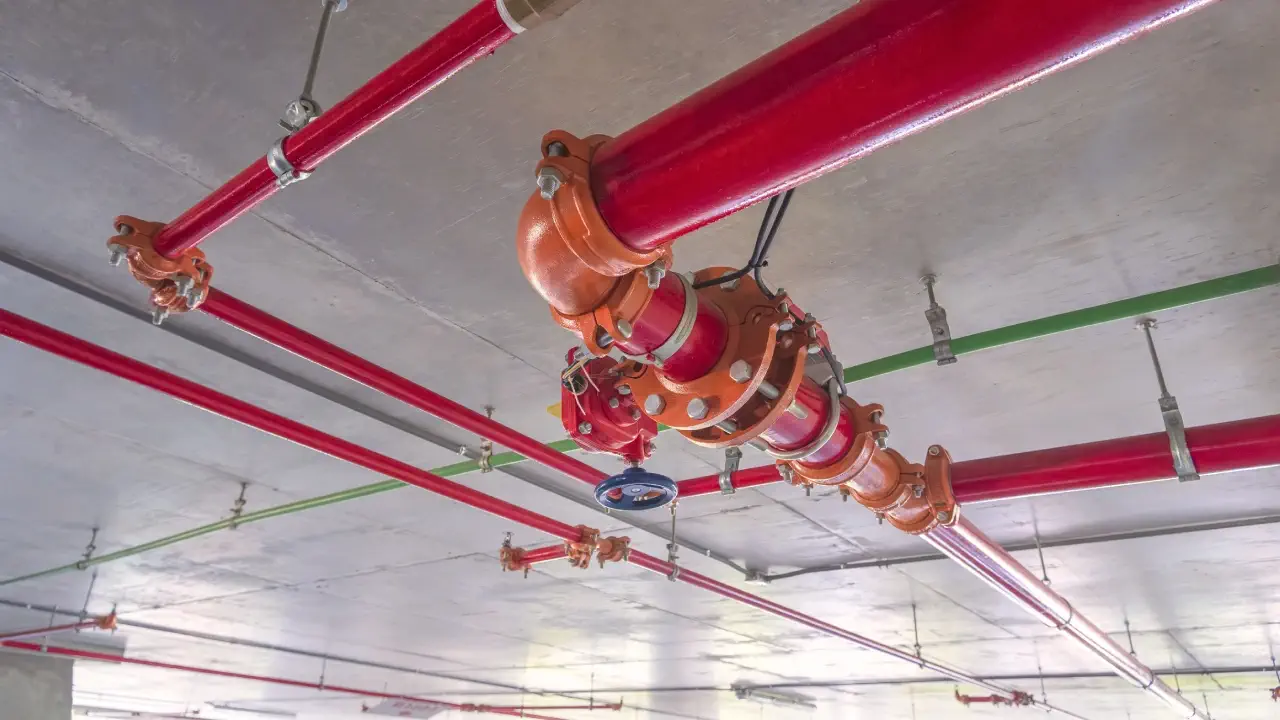
- Dry-pipe: pipes hold pressurised air until a head opens and releases the air, letting water in. Used in unheated spaces like parking garages and Vaughan or Markham warehouses to prevent freezing. These need extra tests such as the trip test on the dry-pipe valve.
- Pre-action: water is held back by a valve that only opens on a separate detection signal, protecting sensitive areas like data rooms. Inspection includes the detection system and valve operation.
If you are planning a new system or an upgrade, our fire sprinkler installation guide explains how each design is specified to NFPA 13 and the Ontario Building Code.
Is your sprinkler inspection overdue?
If you are not sure when your system was last tested, we will check the records and get you back on schedule with a site assessment.
How do I book sprinkler inspection in the GTA?
Tovic Fire provides sprinkler inspection and testing for commercial, residential and industrial buildings across Toronto, Scarborough, North York, Etobicoke, Mississauga, Vaughan, Markham and Richmond Hill. We schedule inspections at the required NFPA 25 intervals, coordinate with your property manager, and handle any deficiencies we find so nothing falls through the cracks.
Our work aligns to ULC, NFPA, CSA and TSSA practice, is carried out as City of Toronto permitted work where required, and is backed by 24/7 monitoring support. To get started, request a site assessment or explore our full range of fire protection services. For a broader compliance view, the Ontario Fire Code compliance checklist is a good next read.
Frequently asked questions
How often must fire sprinklers be inspected in Ontario?
Under the Ontario Fire Code, water-based fire protection systems must be inspected and tested on the schedule set out in NFPA 25. In practice that means weekly or monthly visual checks of gauges and valves, quarterly checks of alarm devices, and a full annual inspection, with longer-interval tests such as the 5-year internal pipe examination.
What is NFPA 25?
NFPA 25 is the Standard for the Inspection, Testing, and Maintenance of Water-Based Fire Protection Systems. It covers sprinklers, standpipes, fire pumps and their valves, and defines the frequencies and procedures technicians follow to keep those systems reliable. The Ontario Fire Code references NFPA 25 for maintenance of these systems.
What happens if a sprinkler fails inspection?
A deficiency is documented on the inspection report along with a recommended corrective action. Minor items such as a painted sprinkler head or corroded gauge can often be corrected quickly, while larger issues like an obstructed pipe or failing valve are quoted for repair. The building owner is responsible for having deficiencies addressed to keep the system compliant.
Do I get a report for the fire department?
Yes. Every inspection produces a written report listing what was tested, the results, and any deficiencies found. Keep it on site with your fire safety records so it is available if the fire department or a Toronto fire inspector asks to see proof of maintenance.