Fire Protection for Condos & Property Managers in Toronto
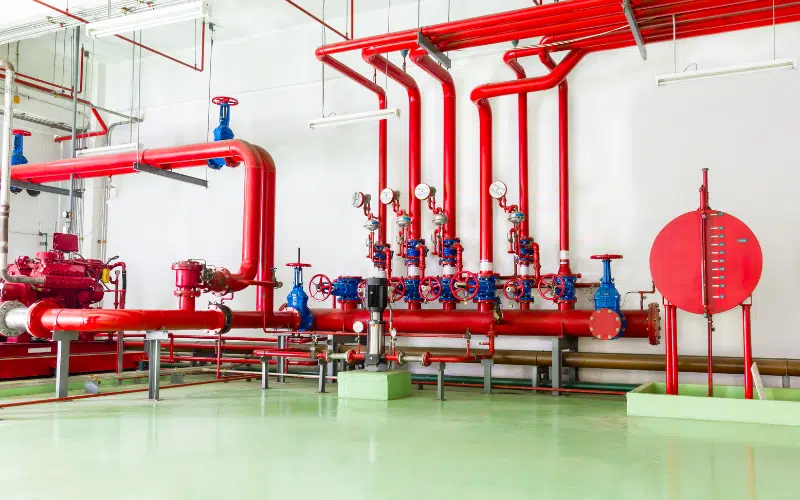
Fire protection for condos in Toronto means keeping several life-safety systems inspected, tested and monitored on a legally required schedule, and keeping the paperwork that proves it. For a high-rise condominium in Toronto or anywhere in the GTA, that covers the fire alarm, sprinklers, standpipes, the fire pump, extinguishers, emergency lighting and suite detectors, all under the Ontario Fire Code.
Quick answer: A Toronto condo needs annual fire alarm inspection and testing to CAN/ULC-S536, annual sprinkler, standpipe and fire pump inspection and testing to NFPA 25, annual extinguisher maintenance to NFPA 10, annual emergency lighting testing, and generally annual backflow testing to CSA B64.10, plus maintained smoke and CO alarms in every suite. The condominium corporation is legally responsible as owner, and the property manager keeps the records. Tovic Fire can handle every system under one contractor across Toronto and the GTA.
What are condos responsible for under the Ontario Fire Code?
Under the Ontario Fire Code (O. Reg. 213/07), made under the Fire Protection and Prevention Act, the building owner is responsible for fire safety. For a condominium that owner is the corporation, acting through its board of directors. The corporation must keep the building's fire protection systems in working order, maintain a current fire safety plan, and keep inspection and testing records available for the fire department.
That responsibility covers the common elements and shared systems: the fire alarm, water-based suppression, emergency power and lighting, and portable extinguishers. Individual unit owners are generally responsible for the smoke and carbon monoxide alarms inside their own suites, though the corporation still has an interest in making sure they work. A clear split of duties, backed by records, is the core of a compliant fire safety plan for a Toronto building.
Which alarm and sprinkler tests are required annually?
The two systems that generate the most inspection activity in a condo are the fire alarm and the sprinkler system. The fire alarm must be inspected and tested annually to CAN/ULC-S536, and if the system is ever installed, expanded or modified it also needs verification to CAN/ULC-S537. Water-based systems, including sprinklers, standpipes and the fire pump, are inspected and tested to NFPA 25 on frequencies that range from weekly and monthly checks through to annual and multi-year tests.
For a high-rise, the annual alarm test is a significant coordination job because it touches every floor, every suite device and the connection to your monitoring station. Our guides on fire alarm inspection and testing and sprinkler inspection and testing break down exactly what each visit involves and how to schedule it with minimal disruption to residents.
| Condo system | Standard | Typical frequency |
|---|---|---|
| Fire alarm system | CAN/ULC-S536 | Annual (S537 verification on changes) |
| Sprinklers & standpipes | NFPA 25 | Weekly to annual, per component |
| Fire pump | NFPA 25 | Weekly no-flow, annual flow test |
| Portable extinguishers | NFPA 10 | Monthly check, annual maintenance |
| Emergency & exit lighting | Ontario Fire Code | Monthly function, annual full-duration |
| Backflow preventers | CSA B64.10 | Generally annual |
| Suite smoke & CO alarms | Ontario Fire Code / CO law | Maintained; replace by expiry (~10 yr) |
How do standpipes, pumps and monitoring fit together?
In a high-rise condo the standpipe system delivers water for firefighting to hose connections on every floor, and the fire pump keeps pressure adequate at the top of the building. Both are tested to NFPA 25, with the fire pump getting a weekly no-flow churn test and an annual flow test. If either is out of service, the fire department needs to know, which is one reason continuous monitoring matters.
Your fire alarm should report to a ULC-listed monitoring station so that an alarm, a trouble signal or a supervisory condition, such as a closed sprinkler valve, is acted on immediately. Tovic Fire provides 24/7 ULC fire alarm monitoring and handles standpipe and hose system inspection and fire pump testing as part of the same service, so nothing falls between vendors.
Do condo suites need smoke and CO alarms?
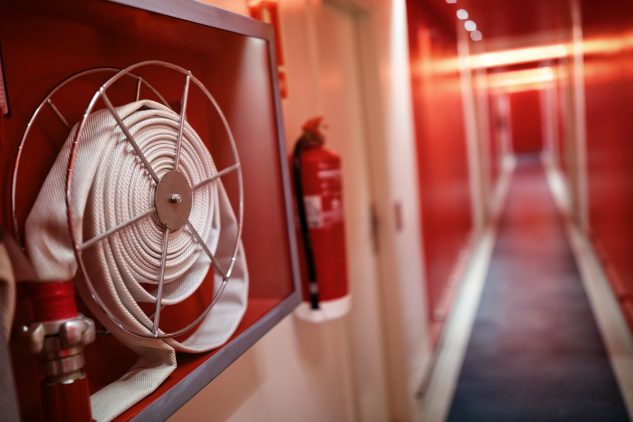
Yes. The Ontario Fire Code requires working smoke alarms in every suite, and Ontario CO-alarm law requires carbon monoxide alarms near sleeping areas in units that have a fuel-burning appliance or an attached garage. Even in an all-electric tower, corridors and service areas can trigger requirements, so it is worth confirming placement building-wide rather than assuming.
Alarms have an expiry date, generally about ten years from manufacture, after which they must be replaced regardless of whether they still beep. For boards weighing a coordinated program, our guides on CO detector requirements in Ontario and smoke and CO alarm installation explain placement, interconnection and replacement timing.
Managing a condo or portfolio?
Book a site assessment and we will map every life-safety system in your building to one compliance schedule.
What belongs in the property manager's compliance file?
Property manager fire compliance comes down to records. When the fire department or an insurer asks, you should be able to produce dated reports for every required test, the current fire safety plan, and evidence that any deficiencies were corrected. Missing or lapsed records are one of the most common reasons a condo runs into trouble during a fire inspection.
A tidy compliance file typically includes the annual fire alarm test report, NFPA 25 sprinkler, standpipe and fire pump records, extinguisher maintenance tags, emergency lighting logs, backflow test results and the approved fire safety plan. Our Ontario Fire Code compliance checklist and the guide to how often to inspect fire equipment give you a plain-English reference you can hand to your board.
- Annual CAN/ULC-S536 fire alarm inspection and test report
- NFPA 25 sprinkler, standpipe and fire pump inspection records
- NFPA 10 extinguisher maintenance tags and monthly logs
- Emergency and exit lighting monthly and annual test logs
- CSA B64.10 backflow preventer test results
- Current, approved fire safety plan and deficiency corrections
Why use one contractor for the whole building?
Most condos end up with a different vendor for each system, which creates scheduling gaps, duplicated site visits and reports that never line up. Using one contractor for high-rise fire protection means a single point of contact, one coordinated visit schedule, and a consolidated report that matches your compliance file line for line.
Tovic Fire serves condos across Toronto, Scarborough, North York, Etobicoke, Mississauga, Vaughan, Markham and Richmond Hill, aligning to ULC, NFPA, CSA, TSSA and CFAA standards and performing City of Toronto permitted work. Whether you manage one tower or a portfolio, you can consolidate everything into a single annual fire inspection with one report, or reach out through our contact page to build a schedule that fits your building. See the full scope on our services page.
Frequently asked questions
What fire testing does a condo need annually?
Most Toronto condos need annual fire alarm inspection and testing to CAN/ULC-S536, annual inspection and testing of sprinklers, standpipes and fire pumps to NFPA 25, annual extinguisher maintenance to NFPA 10, annual emergency lighting full-duration testing, and generally annual backflow preventer testing to CSA B64.10. Suite smoke and CO alarms and the building fire safety plan are also reviewed on the same cycle.
Who is responsible - board or PM?
Under the Ontario Fire Code, the building owner, which for a condominium is the corporation acting through its board, holds legal responsibility for fire safety. In practice the property manager arranges inspections, keeps the records and coordinates with the fire department, while the board approves budgets and repairs. Individual unit owners are typically responsible for smoke and CO alarms inside their own suite.
Do suites need smoke and CO alarms?
Yes. The Ontario Fire Code requires working smoke alarms in every suite, and Ontario CO-alarm law requires carbon monoxide alarms near sleeping areas in units with a fuel-burning appliance or an attached garage. Alarms must be maintained and replaced by their expiry date, which is generally about ten years from manufacture.
Can you handle the whole building?
Yes. Tovic Fire covers fire alarm, sprinkler, standpipe, fire pump, extinguisher, emergency lighting and 24/7 monitoring under one contractor across Toronto and the GTA, and delivers a single consolidated report for your compliance file. That removes the scheduling gaps that come from juggling several vendors.