Smoke & CO Alarm Rules for Ontario Landlords
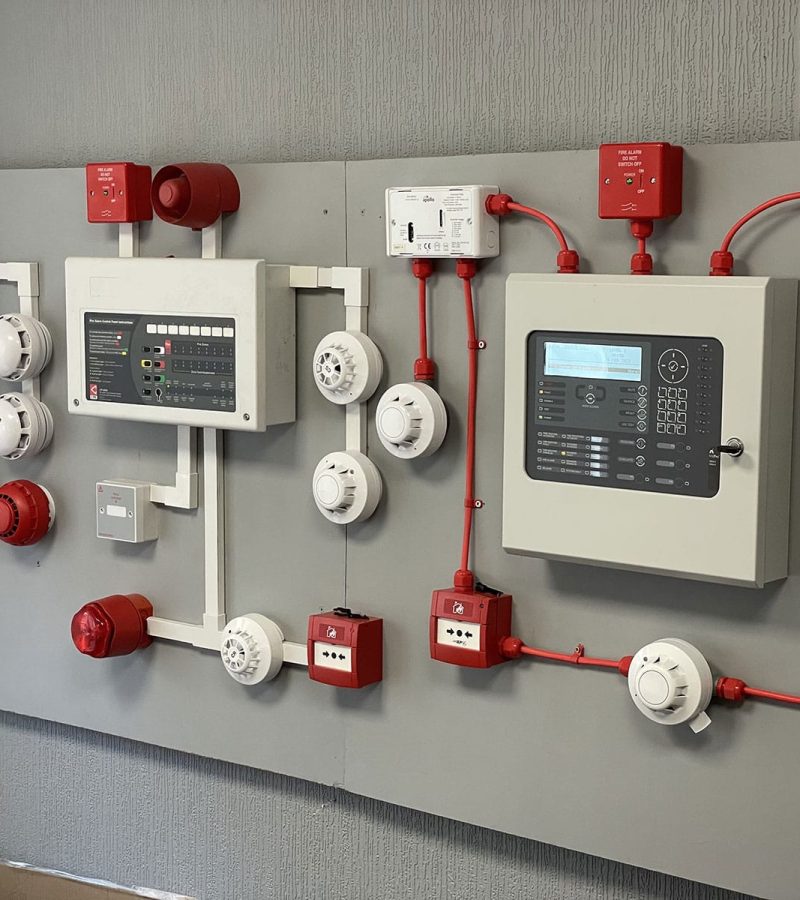
If you rent out property anywhere in Toronto or the GTA, the landlord smoke alarm rules in Ontario put the legal duty for working alarms squarely on you, not your tenant. Under the Ontario Fire Code, landlords must install and maintain smoke alarms on every storey and outside sleeping areas, and carbon monoxide alarms wherever there is a fuel-burning appliance or an attached garage. Getting rental smoke alarm law wrong is not a paperwork slip, it is an offence that carries real fines.
Quick answer: In Ontario, the landlord is legally responsible for installing, testing and maintaining working smoke alarms and carbon monoxide alarms in every rental unit under the Ontario Fire Code (O. Reg. 213/07). Smoke alarms are required on each storey and outside sleeping areas; CO alarms are required near sleeping areas where there is a fuel-burning appliance or an attached garage. Tenants must not disable them, and landlords who fail to comply can face charges and substantial fines.
What is the landlord's legal duty?
The Ontario Fire Code (O. Reg. 213/07), made under the Fire Protection and Prevention Act, is the law that governs alarms in rental housing. It makes the owner, which for a rental unit means the landlord, responsible for providing and maintaining working smoke and carbon monoxide alarms. This duty applies to houses, basement apartments, duplexes, condo units you lease out, and multi-unit buildings across Scarborough, North York, Etobicoke, Mississauga, Vaughan, Markham and Richmond Hill.
Maintaining an alarm means more than screwing it to the ceiling. You must keep it in operating condition, replace dead batteries, and replace the unit itself at the end of its service life, typically about ten years from the manufacture date. If a tenant reports a chirping or faulty alarm, acting on it promptly is part of your legal obligation, not a courtesy. For a broader view of your obligations, see our Ontario Fire Code compliance checklist.
Where are alarms required in rentals?
Ontario law sets clear minimum locations. Meeting them is the baseline for tenant fire safety, and inspectors check these exact spots.
- Smoke alarms: on every storey of the unit and outside each sleeping area. In many rentals this means the hallway serving the bedrooms plus one on any additional level, including a finished basement.
- Carbon monoxide alarms: adjacent to each sleeping area if the unit or building has a fuel-burning appliance (gas furnace, water heater, stove or fireplace) or an attached storage garage. This reflects Ontario's CO-alarm law.
- Interconnection: newer construction often requires interconnected alarms so that one triggering sounds them all, which the Ontario Building Code addresses at the time of build or renovation.
Correct placement matters as much as quantity. Our guides on carbon monoxide detector requirements and smoke and CO alarm installation walk through mounting distances, dead-air spaces and combination units in detail.
Who maintains them, landlord or tenant?
This is where disputes arise, so it is worth stating plainly. The landlord installs, tests and maintains the alarms. The tenant's role is limited but important: keep the alarm in place, do not remove batteries or cover the unit, and report any problem right away. A landlord cannot download the maintenance duty onto a tenant through a lease clause, because the Fire Code obligation stays with the owner.
Practically, most landlords test alarms at the start of every tenancy and periodically during it, giving proper notice of entry as required under the Residential Tenancies Act. Keeping working alarms across a portfolio of units is far easier when a qualified technician handles testing and replacement on a schedule, the same way we manage fire alarm inspection and testing for larger buildings.
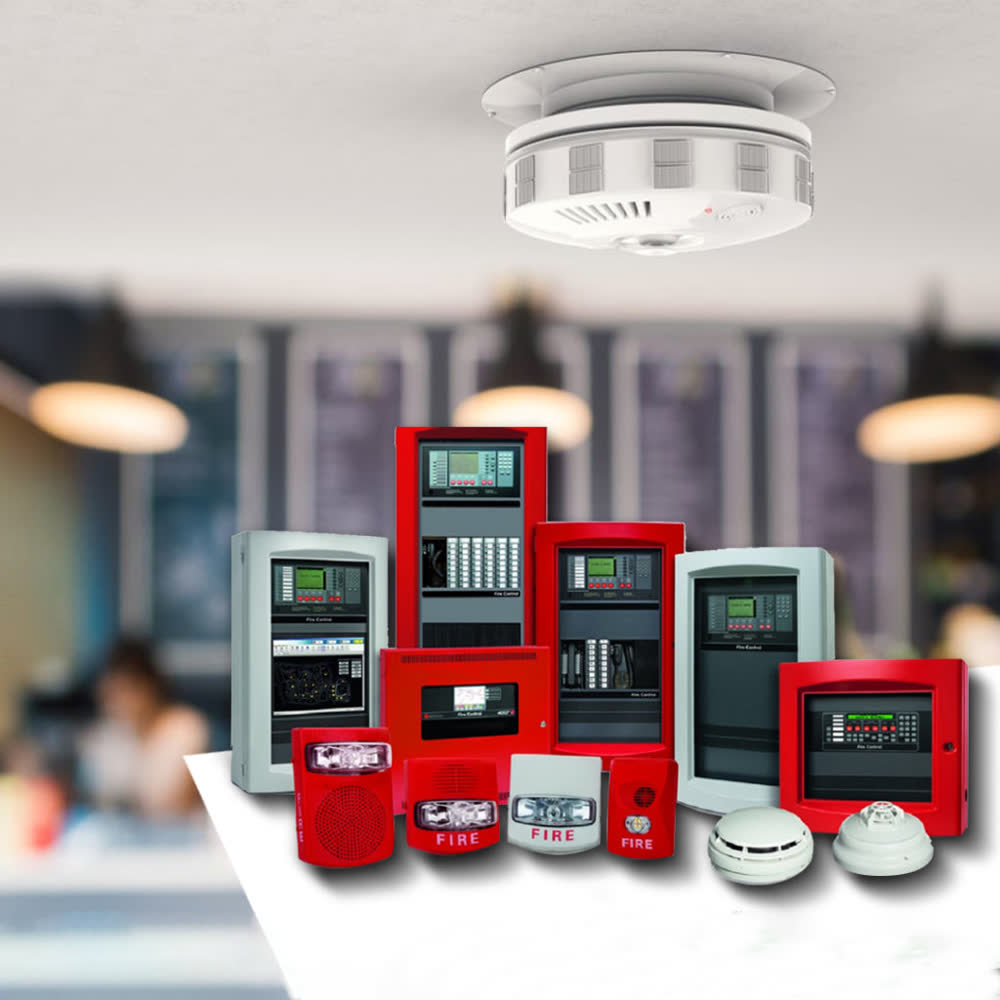
Documentation and proof
If a fire happens, or if an inspector visits, the question is not just whether alarms existed but whether you can prove you maintained them. Records are your defence. Keep a simple, dated log for each unit covering installation, tests, battery changes, tenant sign-offs at move-in, and any replacements. Photographs of installed alarms with visible model and date labels are useful supporting evidence.
Here is a practical maintenance and record-keeping schedule landlords can follow. Alarm intervals below reflect common manufacturer and code guidance; always follow the specific device instructions.
| Task | Who | Typical interval | Record to keep |
|---|---|---|---|
| Function test (press button) | Landlord | At move-in and periodically | Dated test log |
| Battery replacement | Landlord | As needed / annually for replaceable types | Log entry |
| Tenant alarm acknowledgment | Tenant signs | Start of each tenancy | Signed move-in form |
| Unit replacement (smoke) | Landlord | ~10 years from manufacture | Receipt + install date |
| Unit replacement (CO) | Landlord | Per manufacturer (often 7-10 years) | Receipt + install date |
| Respond to reported fault | Landlord | Promptly on notice | Service note |
Landlord needing to stay compliant?
We install, test and document smoke and CO alarms across your rental units so you can prove compliance at a glance.
Penalties for non-compliance
Failing to provide working smoke or carbon monoxide alarms is an offence under the Fire Protection and Prevention Act. Fire inspectors can issue tickets or lay charges, and penalties can be substantial for individuals, with much larger maximum fines available against corporations. Beyond the fine itself, a missing or disabled alarm can expose a landlord to civil liability and can complicate an insurance claim after a loss.
The takeaway is simple: treat every alarm requirement as mandatory and non-negotiable. The cost of compliant alarms and a testing schedule is trivial next to the cost of a charge, and far smaller than the human cost the rules exist to prevent. Landlords running multiple properties often fold alarm checks into a broader annual fire inspection so nothing slips.
Get a rental compliance check
Whether you own a single basement apartment in Scarborough or a portfolio of units across the GTA, a professional check confirms you have the right alarms in the right places, that they work, and that you have the paperwork to prove it. Tovic Fire serves Toronto and the Greater Toronto Area, aligns to ULC, NFPA, CSA and TSSA standards, and performs City of Toronto permitted work. If you also lease commercial or mixed-use space, our fire protection for condos guidance covers the shared and in-suite requirements that apply. Ready to book? Request a site assessment and we will handle the rest.
Frequently asked questions
Who is responsible for smoke alarms in a rental?
Under the Ontario Fire Code, the landlord is responsible for installing and maintaining working smoke alarms in a rental unit, including testing, battery replacement and repair or replacement of failed alarms. The tenant must not disable or tamper with an alarm and should report any problems to the landlord promptly.
Can a tenant remove an alarm?
No. It is an offence under the Ontario Fire Code for anyone, including a tenant, to disable, remove or tamper with a required smoke or carbon monoxide alarm. If a tenant removes an alarm the landlord should document the issue, restore the alarm and notify the tenant in writing of their legal obligation to keep it in place.
What are the fines?
Failing to have working smoke or carbon monoxide alarms is an offence under the Fire Protection and Prevention Act. Penalties can be significant, and fire inspectors can issue tickets or lay charges that lead to substantial fines for individuals and even larger fines for corporations. The exact amount depends on the charge, so treat every alarm requirement as mandatory.
Do I need to keep records?
Yes. Keeping dated records of alarm installation, testing, battery changes, tenant notices and replacements is strongly recommended. Good documentation demonstrates that you met your legal duty and is often the deciding factor if an inspector, insurer or court reviews whether alarms were maintained.